 11100 Ash St Suite #204, Leawood, KS 66211
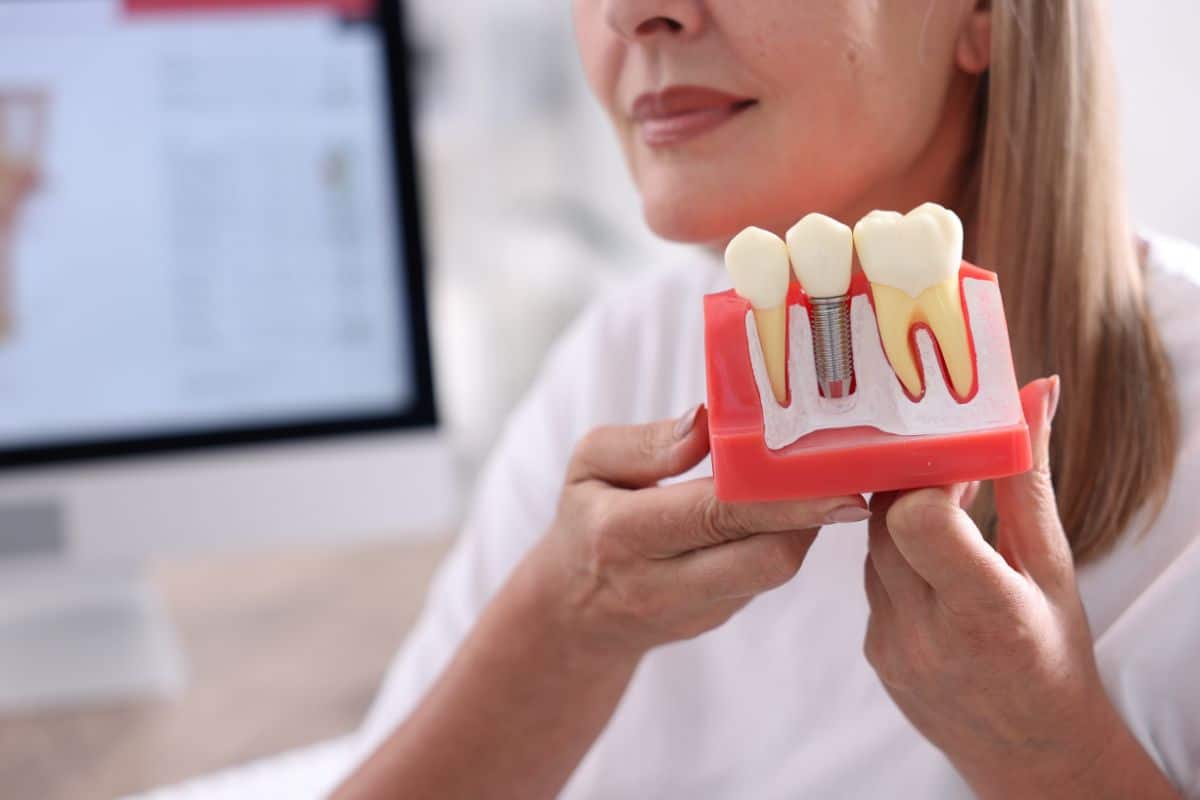
Dental implants for seniors can be an option even when many years have passed since tooth loss. Age alone does not automatically prevent someone from receiving implant treatment. At Asha Dental – Leawood, Dr. Prashant Patel provides personalized dental care for patients in Leawood and surrounding areas, helping them explore tooth replacement options based on their oral health, goals, and overall needs.
Losing teeth can affect much more than your smile. Missing teeth may make chewing harder, change the way you speak, and affect your confidence. Some seniors also rely on removable dentures that may become less stable over time.
Implant treatment offers another approach. Instead of resting only on the gums, an implant uses a small post placed in the jawbone to support a replacement tooth or dental restoration. With the right conditions and careful planning, older adults may benefit from this form of tooth replacement.
However, the decision does not depend on your age alone. Your jawbone, gums, general health, medications, oral hygiene, and ability to heal all matter. Therefore, a dental evaluation should come before deciding whether implants are right for you.
Why Age Alone Does Not Determine Implant Eligibility
It is common for older adults to wonder whether they have waited too long.
Fortunately, there is no simple age cutoff that automatically rules out implant treatment. A healthy person in their 70s, 80s, or beyond may still qualify depending on their individual circumstances.
Instead of focusing only on age, your dentist looks at the condition of your mouth and your ability to undergo treatment safely.
Factors Your Dentist May Consider
Your evaluation may include:
- Jawbone condition
- Gum health
- Existing teeth
- Oral hygiene habits
- Medical history
- Medications
- Healing ability
- Smoking or tobacco use
- Previous dental procedures
- Your ability to maintain the restoration
Asha Dental – Leawood offers dental implants as well as implant-supported dentures and All-on-4 treatment options. Dr. Prashant Patel takes a comprehensive approach to patient care and focuses on understanding each person’s individual needs before recommending treatment.
Why Seniors May Consider Implant Treatment
Tooth loss can make everyday activities more difficult.
For example, you may avoid certain foods because they feel difficult to chew. You might also worry about a removable denture moving while you talk or eat.
Implant-supported restorations can provide a more stable foundation for replacing missing teeth.
Potential Benefits
Depending on your situation, implants may help with:
- Chewing function
- Smile appearance
- Speech
- Denture stability
- Confidence
- Long-term tooth replacement
- Support for certain restorations
However, every treatment has limitations. Your dentist needs to determine whether implants provide a suitable option for you.
What Happens to the Jaw After Tooth Loss?
Your jawbone responds to the presence of natural tooth roots.
After you lose a tooth, the bone that once supported that root may gradually decrease in volume. Over time, this change can affect the shape of your jaw.
This matters because an implant needs adequate bone support.
If you lost your teeth many years ago, your dentist may evaluate the amount and quality of available bone before recommending treatment.
Does Bone Loss Mean You Cannot Get Implants?
Not necessarily.
Some patients with reduced bone volume may still have options. Depending on the situation, your dentist may discuss procedures that can improve the foundation for implant placement.
The key point is that bone loss does not automatically mean you have missed your opportunity.
A detailed examination can show whether you have enough support for treatment or whether additional steps may help.
How Dentures Compare With Implant-Supported Options
Many seniors have used removable dentures successfully for years.
Dentures can replace multiple missing teeth and provide an effective way to restore basic function. However, removable appliances can become less stable as the jaw changes over time.
You may notice:
- Dentures slipping while speaking
- Difficulty chewing certain foods
- Gum irritation
- Frequent need for adhesive
- Changes in your bite
- Reduced confidence while eating socially
Implant-supported dentures can offer another approach by using implants to help stabilize the restoration.
Asha Dental lists implant-supported dentures among its available services, giving eligible patients another option for replacing multiple missing teeth.
What Happens During an Implant Evaluation?
An implant consultation usually begins with a conversation about your goals and dental history.
Tell your dentist how tooth loss affects your daily life. For example, explain whether you have trouble chewing, experience denture movement, or avoid certain foods.
Your dental team may then examine your mouth and review your medical history.
Your Evaluation May Include
- Examination of your gums
- Evaluation of remaining teeth
- Assessment of your bite
- Review of your jawbone
- Dental imaging when appropriate
- Review of medications
- Discussion of your health history
- Discussion of your goals
Your dentist can then explain whether implants, implant-supported dentures, traditional dentures, bridges, or another option may better fit your needs.
Medical Conditions and Implant Treatment
Older adults often have more complex medical histories than younger patients.
That does not automatically prevent implant treatment. However, your dentist needs to understand your health conditions and medications before planning surgery.
Certain conditions may affect healing or increase treatment risks.
Tell Your Dentist About
- Prescription medications
- Blood-thinning medications
- Bone-related medications
- Heart conditions
- Diabetes
- Previous surgeries
- Immune system concerns
- Smoking or tobacco use
- Any condition that affects healing
Do not stop taking prescribed medication simply because you are planning dental treatment.
Instead, provide your dentist with an accurate list of your medications. Your dental and medical providers can then coordinate care when necessary.
How Diabetes Can Affect Healing
Diabetes does not automatically rule out implant treatment.
However, uncontrolled blood sugar can affect the body’s ability to heal and may increase the risk of complications.
If you have diabetes, your dentist may want to understand how well you manage your condition before proceeding.
Good communication matters. Tell your dental team about your medical history and follow the instructions your healthcare providers give you.
Why Healthy Gums Matter
Healthy gums provide an important foundation for successful oral care.
Gum disease can affect the tissues supporting teeth and may also create challenges for implant treatment.
If you have gum inflammation, bleeding, swelling, or other symptoms, your dentist may recommend addressing those concerns before moving forward.
Good Oral Hygiene Still Matters After Treatment
Implants do not mean you can stop caring for your mouth.
You still need to:
- Brush regularly
- Clean between your teeth
- Follow your dentist’s instructions
- Attend routine dental visits
- Keep your gums healthy
- Clean around implant-supported restorations
Good daily care supports your overall oral health and helps protect the surrounding tissues.
Are Implants Difficult for Older Adults?
The treatment process varies from one person to another.
Some seniors worry that implant treatment will be too complicated or uncomfortable. Your dentist can explain each stage before treatment begins so you understand what to expect.
The process may involve several steps, including evaluation, planning, implant placement, healing, and restoration.
Why Treatment Planning Matters
Older adults may have several oral health concerns at the same time.
For example, you may have missing teeth, gum disease, worn teeth, older restorations, or an unstable denture.
Rather than treating one issue in isolation, your dentist can look at your overall oral health and develop a plan that fits your situation.
Asha Dental emphasizes comprehensive and personalized care, with Dr. Prashant Patel taking time to understand patients’ concerns and explain their treatment options.
What If You Have Worn Dentures?
Long-term denture wear does not automatically prevent implant treatment.
In fact, some people consider implant-supported dentures after years of using traditional removable appliances.
Your dentist can examine your existing dentures and oral tissues to determine whether an implant-supported option may improve stability and function.
Signs Your Denture May Need an Evaluation
Consider speaking with your dentist if:
- Your denture slips frequently
- You struggle to chew
- You develop recurring sore spots
- You need increasing amounts of adhesive
- Your bite feels different
- Your denture has become damaged
- You avoid certain foods
- You feel uncomfortable eating around others
These signs do not automatically mean you need implants. They simply indicate that your current solution may need professional attention.
Are Implant-Supported Dentures an Option?
For people missing several or all of their teeth, replacing every tooth individually may not always represent the best approach.
Implant-supported dentures can use strategically placed implants to provide additional stability for a removable or fixed restoration, depending on the treatment plan.
Asha Dental offers implant-supported dentures and All-on-4 treatment as part of its implant services. Your dentist can determine whether either option may fit your needs after evaluating your oral health and available bone.
What Can Seniors Do Before Treatment?
Preparation can make the process easier.
Before Your Consultation
Make a list of:
- Current medications
- Existing medical conditions
- Previous dental procedures
- Current dental concerns
- Questions about treatment
- Concerns about recovery
- Your goals for eating and speaking
Also, bring information about any dentures or other dental appliances you currently use.
Being open with your dental team helps them develop a safer and more personalized treatment plan.
Questions to Ask Your Dentist
If you are considering implant treatment later in life, do not hesitate to ask questions.
Useful questions include:
- Am I a candidate for implants?
- Do I have enough jawbone?
- Do I need additional treatment first?
- Would implant-supported dentures suit me?
- How long could treatment take?
- What will recovery involve?
- How should I care for the restoration?
- What other tooth replacement options should I consider?
A good consultation should leave you with a clear understanding of your options.
When Another Tooth Replacement May Make More Sense
Implants do not work for every patient.
Sometimes another solution may better match your oral health, medical history, budget, lifestyle, or personal preferences.
Depending on your situation, your dentist may discuss:
- Traditional dentures
- Implant-supported dentures
- Dental bridges
- Individual implant restorations
- Other restorative solutions
The goal should not be to choose the most advanced treatment simply because it exists. The goal is to choose an option that fits your needs and supports your long-term oral health.
Why Personalized Planning Matters for Seniors
Two people of the same age can have completely different dental needs.
One person may have strong bone, healthy gums, and few medical concerns. Another may have significant bone loss, gum disease, or medications that require additional planning.
Therefore, your age alone tells your dentist very little about whether treatment will work for you.
Your complete health picture matters more.
A personalized consultation can help you understand which options make sense for your mouth, lifestyle, and goals.
Caring for Your Smile After Implant Treatment
If you receive implant treatment, continue caring for your mouth every day.
Keep These Habits
Brush consistently: Follow your dentist’s recommendations for brushing around the restoration.
Clean between teeth: Use the method your dental team recommends.
Attend regular checkups: Routine appointments allow your dentist to monitor your oral health.
Avoid damaging habits: Do not use your teeth to open packages or chew extremely hard objects.
Follow aftercare instructions: Your dental team will provide specific instructions based on your procedure.
Long-term care plays an important role in maintaining your oral health.
The Bottom Line
Dental implants for seniors can remain an option even when tooth loss occurred many years ago. Age alone does not determine whether someone qualifies. Instead, your dentist will consider jawbone health, gum condition, overall health, medications, healing ability, oral hygiene, and your personal goals.
For some older adults, implants may offer improved stability and function compared to traditional removable options. Others may benefit more from dentures, bridges, or implant-supported dentures.
The most important step is getting an individual evaluation. A qualified dental professional can examine your mouth, explain your options, and help you understand whether implant treatment makes sense for you.
Asha Dental – Leawood offers dental implants, implant-supported dentures, and All-on-4 treatment for patients in Leawood and surrounding communities. Dr. Prashant Patel focuses on personalized, comprehensive care and takes time to understand each patient’s concerns and treatment goals. The practice is located at 11100 Ash St, Suite #204, Leawood, KS 66211.
For local directions and practice information, visit our dental office in Leawood or schedule your appointment with Asha Dental – Leawood to discuss your tooth replacement options with Dr. Prashant Patel.