 11100 Ash St Suite #204, Leawood, KS 66211

Losing a tooth can affect more than your smile. Over time, missing teeth may also lead to changes in the jawbone, making tooth replacement more complicated. If you are considering dental implants with bone loss, you may wonder whether you can still qualify for treatment. The good news is that insufficient jawbone does not always mean dental implants are impossible.
At Asha Dental in Leawood, patients can explore different tooth replacement options based on their oral health and individual needs. Understanding how bone loss affects implant treatment can help you prepare for an informed conversation with your dentist.
Why Is Jawbone Health Important for Dental Implants?
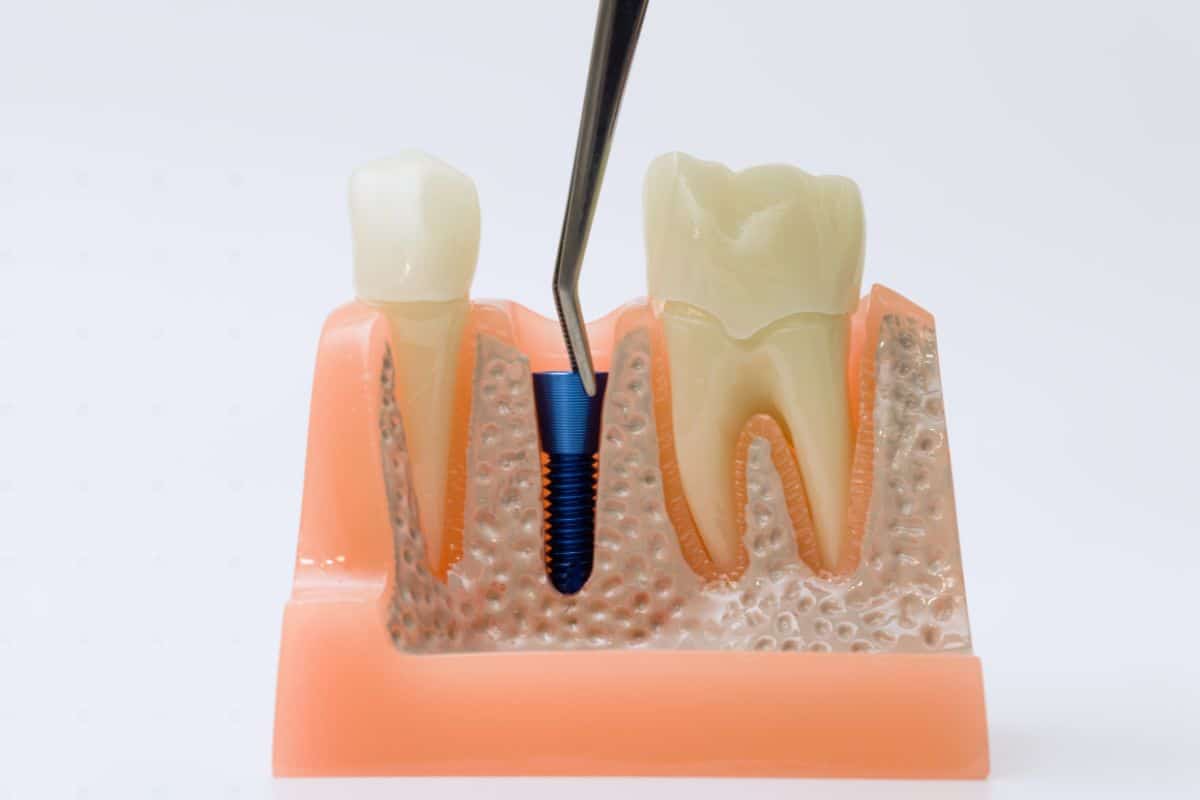
Dental implants are small posts placed in the jawbone to replace missing tooth roots. Once an implant integrates with the surrounding bone, it can support a dental crown, bridge, or implant-supported denture.
Adequate bone volume and density help keep an implant stable. If the jawbone has become too thin or weak, placing an implant in the planned position may be difficult.
What Causes Jawbone Loss?
Several factors can contribute to jawbone loss, including:
-
Missing teeth: The jawbone receives less stimulation from chewing in areas where teeth are missing.
-
Gum disease: Advanced periodontal disease can damage the bone that supports natural teeth.
-
Dental infections: Certain infections can affect the surrounding bone.
-
Injury or trauma: An accident or dental injury may damage the jawbone.
-
Long-term denture use: Changes in the jawbone may gradually affect how removable dentures fit.
The amount of bone loss varies from person to person. Your dental history, gum health, and the time since tooth loss can all influence your treatment options.
Can You Get Dental Implants With Bone Loss?
Yes, many patients with bone loss may still be candidates for dental implants. The right approach depends on how much bone remains, where it is located, and whether it can provide sufficient support.
Your dentist will evaluate whether the existing bone can support an implant safely. If additional support is needed, preparatory procedures may help create a more suitable foundation.
1. Bone Grafting
Bone grafting adds bone material to an area where the jawbone lacks sufficient volume. The graft may use material from an approved donor source or another material suitable for dental treatment.
Over time, the grafted area can develop into a stronger foundation for an implant. Depending on the amount of bone needed, healing may take several months before implant placement can proceed.
Bone grafting is not necessary for every patient with bone loss. Your dentist will determine whether this procedure is appropriate for your situation.
2. Sinus Lift Surgery
When an upper back tooth is missing, the bone between the mouth and the sinus cavity may be too thin to support a traditional implant.
A sinus lift adds bone material to the upper jaw beneath the sinus, increasing the available bone height in selected cases. This procedure may help create suitable conditions for implant placement.
Whether you need a sinus lift depends on your anatomy and the location of the missing teeth.
3. All-on-4 Dental Implants
Patients missing most or all of their teeth may qualify for an All-on-4 implant-supported restoration. This approach uses strategically positioned implants to support a full-arch replacement.
In selected cases, angled implant placement can make better use of the available bone and reduce the need for extensive grafting. However, All-on-4 treatment is not suitable for everyone with bone loss. A detailed examination is necessary to determine whether it is a reasonable option.
If you are comparing treatment approaches, reviewing the dental implant options offered by Asha Dental can help you understand the role implants may play in replacing missing teeth.
How Does a Dentist Determine Whether You Have Enough Bone?
A clinical examination and dental imaging help your dentist assess your jawbone before implant treatment.
The evaluation may include:
-
Reviewing your medical and dental history.
-
Examining your gums and remaining teeth.
-
Taking dental X-rays to assess the area.
-
Using a 3D scan when indicated to evaluate bone dimensions and nearby anatomical structures.
-
Discussing your treatment goals and possible procedures.
These steps help determine the safest implant position and whether bone grafting or another approach may be beneficial.
Your dentist will also consider factors such as gum health, smoking, certain medical conditions, and medications that may affect healing.
What if Bone Grafting Is Not an Option?
Some patients may not be suitable candidates for bone grafting or may prefer to explore alternatives. In these situations, other tooth replacement options may be worth discussing.
Dental Bridges
A dental bridge replaces a missing tooth by using neighboring teeth for support. It does not require an implant to be placed in the jawbone, although the condition of the surrounding teeth matters.
Removable Dentures
Partial or full dentures can replace missing teeth without implant surgery. They may be suitable for patients who prefer a removable option or cannot undergo implant treatment.
Other Implant-Supported Options
Depending on the amount and location of available bone, your dentist may discuss different implant designs or restoration plans. The final decision depends on clinical findings rather than bone loss alone.
How Can You Protect Your Jawbone After Tooth Loss?
Taking care of your oral health can help protect the bone and tissues that remain.
-
Discuss tooth replacement options after losing a tooth.
-
Brush twice daily and clean between your teeth.
-
Seek treatment for gum disease or dental infections.
-
Attend routine dental examinations.
-
Follow your dentist’s recommendations for maintaining dentures or other restorations.
-
Discuss medical conditions and medications that may affect healing.
An early evaluation can help you understand your options and plan for future treatment.
Find Out Whether Dental Implants Are Right for You
Having reduced jawbone volume does not automatically rule out implant treatment. Bone grafting, sinus lift procedures, and selected implant-supported solutions may help some patients move forward. Others may benefit from bridges or dentures.
The best next step is an individual evaluation that considers your bone health, gum condition, medical history, and long-term goals.
If you are exploring dental implants with bone loss, Asha Dental in Leawood can help you understand the available tooth replacement options.
Schedule your appointment to discuss your dental implant options with Asha Dental.