 11100 Ash St Suite #204, Leawood, KS 66211
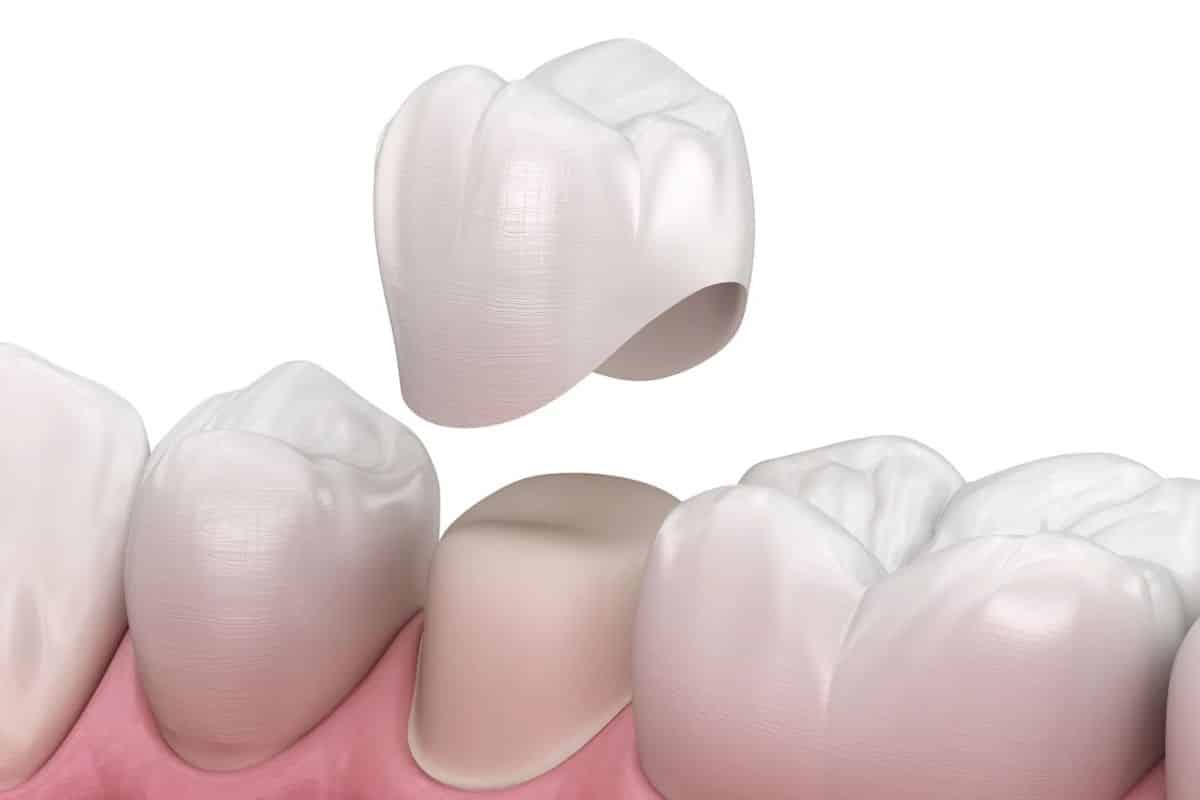
A dental crown can restore a damaged or weakened tooth and bring back both function and confidence. But many patients share a common concern: Does getting a crown hurt? The truth is, the process is far gentler than most expect. With today’s advanced technology and precision-driven techniques, the experience feels more like a routine dental visit than a painful procedure. Whether you’re preparing for your first crown or replacing an old one, understanding what happens during each step can ease anxiety and help you feel confident about your care.
Understanding What a Crown Does for Your Tooth
A tooth cover acts as a protective cap that restores the natural shape, strength, and appearance of a tooth. It covers a tooth that’s been fractured, weakened, or treated for decay. Beyond aesthetics, it safeguards your bite alignment and prevents further structural damage.
In modern clinics across coastal California, dentists use digital imaging to design those covers that match natural teeth perfectly. The process combines artistry and science to achieve both comfort and precision.
Does Getting a Crown Hurt? Let’s Break Down the Experience
Many patients are surprised by how comfortable the procedure is. Here’s what you can expect at each step, from consultation to the final fitting.
1. Numbing the Area
Before starting, your dentist will numb the area thoroughly. This local anesthesia helps you feel only pressure, so you’re comfortable and pain-free during the procedure.
2. Preparing the Tooth
Your dentist gently shapes the tooth to make room for the dental crown, using careful and controlled motions. Most patients find that it feels more like vibrations than pain, making the experience quite comfortable.
3. Impression and Temporary Crown
A digital or physical impression gently captures the precise shape of your tooth. Meanwhile, a temporary cover offers a comforting shield, keeping your tooth protected until your new permanent one is ready. Rest assured, this process is usually smooth and completely painless.
4. Placing a Permanent Crown
Once your personalized tooth cover is in place and securely bonded to your tooth, you may notice a little sensitivity at first. Don’t worry; it’s perfectly normal and should ease up as your mouth gets used to it.
What Makes the Experience Comfortable?
Here’s why most patients say “Does getting a crown hurt?” far less than they imagined:
- Sedation keeps the procedure pain-free.
- Digital precision reduces setup time and adjustments.
- Temporary sensitivity is normal and short-lived.
- High-quality materials prevent long-term irritation.
- Professional aftercare ensures a smooth recovery.
Healing and Aftercare: Supporting Long-Term Comfort
After placement, your tooth cover functions like a natural tooth. Avoid hard foods for a day and maintain gentle brushing and flossing. If your bite feels slightly off, a minor adjustment may be made, a quick and simple fix. Within days, your tooth cover feels completely natural, allowing you to eat, smile, and speak comfortably.
The local dental community prides itself on blending precision dentistry with compassionate care. Many patients across this coastal city report how seamless and comfortable their crown experience was compared to what they initially feared.
Comfort Is the New Standard in Dental Care
So, does getting a crown hurt? Not anymore. With advanced tools, gentle techniques, and personalized attention, the process is virtually painless from start to finish. Your restored tooth looks natural and functions with renewed strength and balance.
If you’ve been delaying treatment out of concern for pain, now is the perfect time to act. Modern dental care has transformed how they are placed, ensuring that comfort, confidence, and precision come together beautifully. Schedule your appointment today or visit Asha Dental, to experience how effortless restorative care can truly feel.