 11100 Ash St Suite #204, Leawood, KS 66211
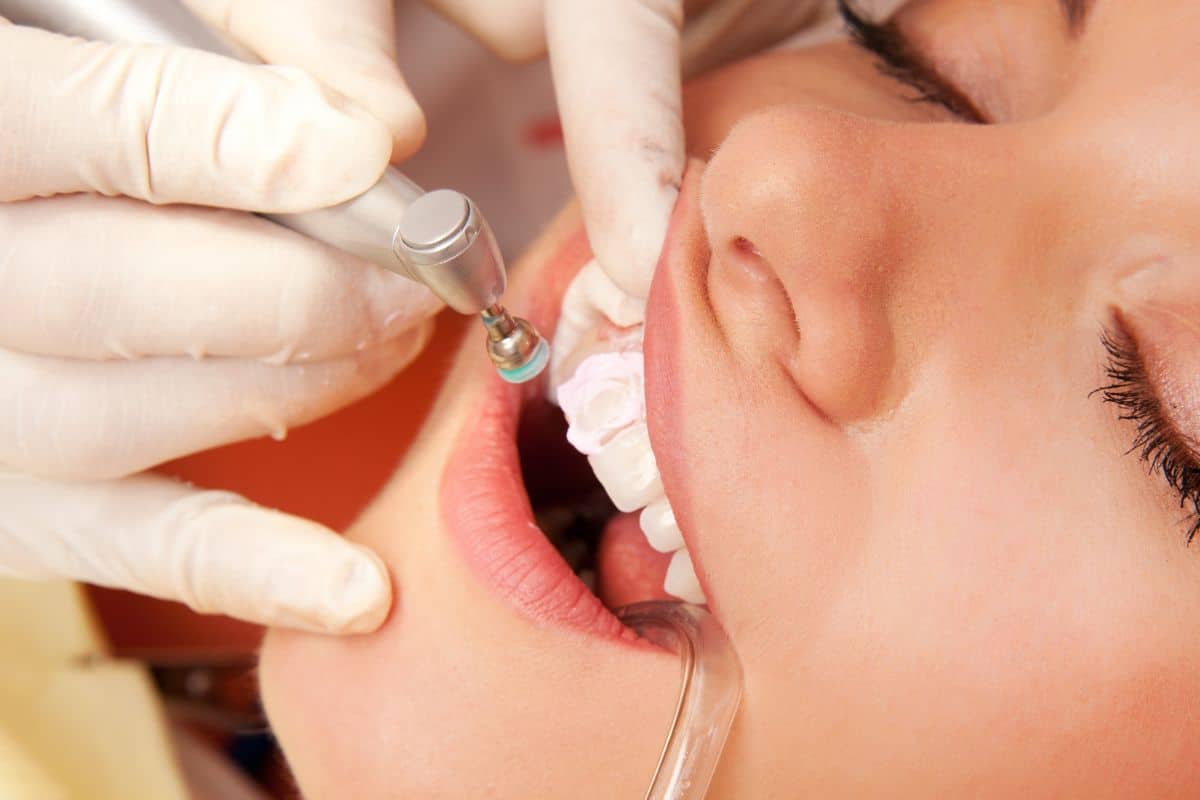
Dental crowns are a popular solution for restoring damaged or weakened teeth. They cover and protect the tooth, providing strength and enhancing its appearance. Crowns can be made from various materials, including porcelain, metal, or a combination of both. Given their importance in dental restoration, many people wonder: How long do dental crowns last, and what can be done to extend their lifespan? This blog will explore the typical longevity of dental crowns and offer tips for maximizing their durability.
The Lifespan of Dental Crowns
On average, dental crowns can last between 10 to 15 years. However, with proper care and maintenance, some crowns can last even longer. The longevity of a crown largely depends on the material used, the location of the crown, and how well it is maintained.
-
Material Matters
- Porcelain Crowns: Porcelain crowns are popular for their natural appearance and are often used for front teeth. They are durable but can be prone to chipping or cracking under heavy pressure. Typically, porcelain crowns last between 10 to 15 years.
- Metal Crowns: Metal crowns, including those made from gold or other alloys, are incredibly strong and resistant to wear. They are ideal for back teeth where the pressure from chewing is greatest. Metal crowns can last 15 years or more.
- Porcelain-Fused-to-Metal (PFM) Crowns: PFM crowns combine the strength of metal with the aesthetics of porcelain. They provide a good balance between durability and appearance and usually last 10 to 15 years.
-
Location and Usage
- The placement of the crown plays a significant role in its lifespan. Crowns on back teeth endure more chewing forces than those on front teeth, so they may experience more wear and tear. Properly placed crowns with optimal bite alignment tend to last longer.
-
Oral Hygiene and Maintenance
- Good oral hygiene is crucial for extending the life of dental crowns. Regular brushing, flossing, and dental check-ups help prevent decay and gum disease that can affect the longevity of crowns.
Tips for Extending the Lifespan of Dental Crowns
To ensure that your dental crowns last as long as possible, follow these tips:
-
Maintain Excellent Oral Hygiene
- Brush your teeth twice daily with fluoride toothpaste and floss daily to remove plaque and food particles from around the crown. Good oral hygiene helps prevent decay and gum disease that can compromise the crown’s stability.
-
Avoid Hard and Sticky Foods
- Be mindful of the foods you eat. Hard foods, such as nuts or ice, can crack or chip crowns. Sticky foods, like caramel or gum, can pull at the crown and cause it to loosen. If you have a crown, cut hard or sticky foods into smaller pieces and chew on the opposite side if possible.
-
Wear a Nightguard
- If you grind your teeth or have a habit of clenching, wearing a nightguard can protect your crowns from excessive force. Teeth grinding can lead to crown damage or even cause them to come loose.
-
Visit Your Dentist Regularly
- Regular dental check-ups are essential for monitoring the condition of your crowns. Your dentist will check for signs of wear, loosening, or other issues and address them promptly. Routine cleanings also help maintain the health of your teeth and gums.
-
Address Any Dental Issues Promptly
- If you notice any changes in your crown, such as discomfort, looseness, or visible damage, contact your dentist immediately. Early intervention can prevent further issues and extend the life of your crown.
-
Avoid Using Teeth as Tools
- Avoid using your teeth or crowns to open packages, bottles, or perform other tasks. Using your teeth inappropriately can cause damage to both the crown and the underlying tooth structure.
-
Consider Dental Sealants
- Dental sealants can help protect the surface of your teeth and crowns from decay. Sealants are a thin coating applied to the chewing surfaces of your back teeth, helping to prevent cavities and damage.
Conclusion
Dental crowns are a valuable investment in maintaining your oral health and restoring the function and appearance of damaged teeth. While the average lifespan of dental crowns ranges from 10 to 15 years, their longevity can be significantly extended with proper care and maintenance. By following good oral hygiene practices, avoiding damaging foods, and attending regular dental check-ups, you can ensure that your dental crowns provide long-lasting benefits. If you have any concerns about your crowns or need guidance on their care, consult your dentist for personalized advice and solutions to keep your smile healthy and bright.