 11100 Ash St Suite #204, Leawood, KS 66211
Are you experiencing tooth pain or sensitivity? Do you have a decayed tooth that’s causing discomfort and making it difficult to eat or speak? If so, root canal therapy might be the solution you’ve been searching for! While many people dread the thought of getting a root canal, this common dental procedure can actually help save your natural teeth and restore your oral health. In this blog post, we’ll explore the benefits of root canal therapy for decayed teeth and why it may be worth considering if you’re dealing with dental issues. So sit back, relax, and let’s dive into the world of root canals!
What is Root Canal Therapy?
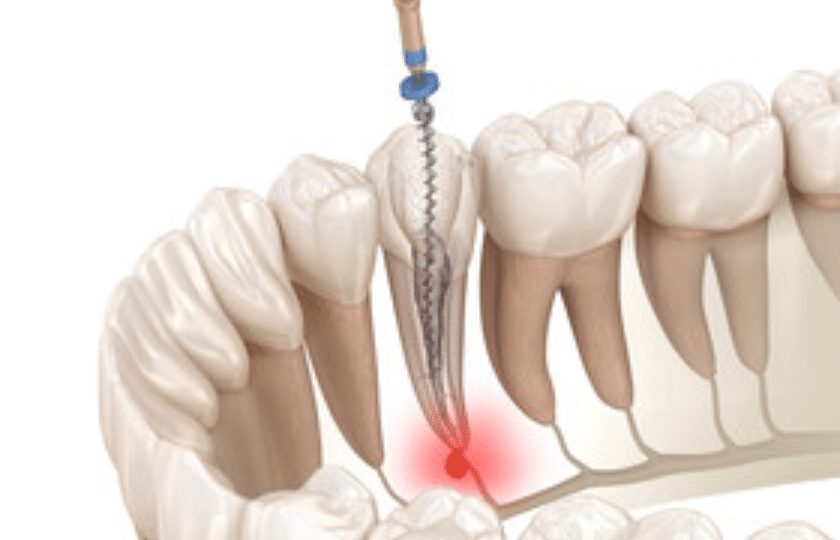
Root canal therapy is a treatment used to save a tooth that has been severely damaged or infected. The procedure involves removing the damaged or infected tissue from inside the tooth, cleaning and disinfecting the inside of the tooth, and then filling and sealing the tooth. Root canal therapy is usually successful in saving the tooth and preventing further damage or infection.
Reasons for Needing Root Canal Therapy
When a tooth becomes decayed, the decay can spread to the sensitive root of the tooth. This can cause an infection or inflammation of the tooth, known as pulpitis. If left untreated, pulpitis can lead to an abscessed tooth, which is a serious dental condition. Root canal therapy is used to treat pulpitis and other conditions that affect the tooth’s root.
During root canal therapy, the infected or inflamed pulp is removed from the tooth. The interior of the tooth is then cleaned and sealed. Root canal therapy can save an infected tooth from needing to be extracted. It also helps to prevent future infections by sealing off the tooth’s root.
The Procedure of Root Canal Therapy
Root canal therapy is a treatment used to save teeth that are severely decayed or infected. The procedure involves removing the damaged tissue from inside the tooth, cleaning and disinfecting the root canal, and then filling it with a special material.
Root canal therapy is usually performed by a dentist or an endodontist, who is a specialist in this type of treatment. The procedure can be done in one or two visits, depending on the severity of the damage.
During root canal therapy, the dentist will first numb the area around the tooth with local anesthesia. Then, they will use a drill to create an opening in the tooth so that they can access the damaged tissue.
Once they have access to the damaged tissue, they will remove it using special instruments. After all of the damaged tissue has been removed, they will clean and disinfect the root canal using special solutions.
Finally, they will fill the root canal with a special material called gutta-percha. This material helps to seal off the root canal and prevent future infection.
Benefits of Root Canal Therapy
Root canal therapy is often recommended when a tooth is decayed or infected. The goal of this treatment is to save the tooth by cleaning out the infected tissue and sealing the tooth. Root canal therapy has many benefits, including:
- preserving the natural tooth
- preventing further damage to the tooth
- avoiding the need for a dental implant or bridge
- reducing pain and sensitivity
- restoring chewing function
- improving the appearance
Aftercare Instructions for Root Canal Therapy
- Avoid chewing on hard objects or eating hard foods for the first 24 hours after your root canal therapy.
- Take over-the-counter pain medication as needed for discomfort.
- Apply a cold compress to the outside of your face for 10 minutes at a time to help with any swelling.
- Rinse your mouth with warm salt water several times a day to help keep the area clean and free of infection.
- Follow up with your dentist as scheduled for any additional appointments or treatments.
Alternatives to Root Canal Therapy
There are a few alternatives to root canal therapy. One is known as extraction, which is when the tooth is pulled. This is usually only recommended when the tooth is severely decayed or damaged. Another option is called a dental implant, which is when a metal screw is placed into the jawbone and a fake tooth is attached to it. This option is usually more expensive and invasive than root canal therapy.
The Bottom Line
Root canal therapy is a great way to treat decayed teeth and restore your healthy smile. It offers long-lasting results, no matter how severe the decay is, and can help you avoid having to have more invasive treatments in the future. During the procedure, it’s important for you to stay relaxed and follow your dentist’s instructions so that everything goes smoothly. The end result will be protective against further decay and give you back the healthy smile you deserve!
FAQs
- How do I know if I need root canal therapy?
A: If you have a tooth that is painful when you bite down, or if you have noticed visible damage to the tooth, then you may need root canal therapy. Your dentist will be able to determine if you need the procedure after examining your mouth and taking X-rays.
- Is root canal therapy painful?
A: The goal of root canal therapy is to relieve pain, not cause it! You may experience some discomfort during the procedure, but this can be managed with local anesthesia. After the procedure, your tooth may be sensitive for a few days, but this should go away as your tooth heals. What is the recovery time after a root canal?
- What is the recovery time after a root canal?
A: Root canal recovery typically lasts less than a week. Mild discomfort may persist for a few days after the procedure, but it can be managed with medication. Call your healthcare provider if you experience severe pain or discomfort for more than a week.