 11100 Ash St Suite #204, Leawood, KS 66211
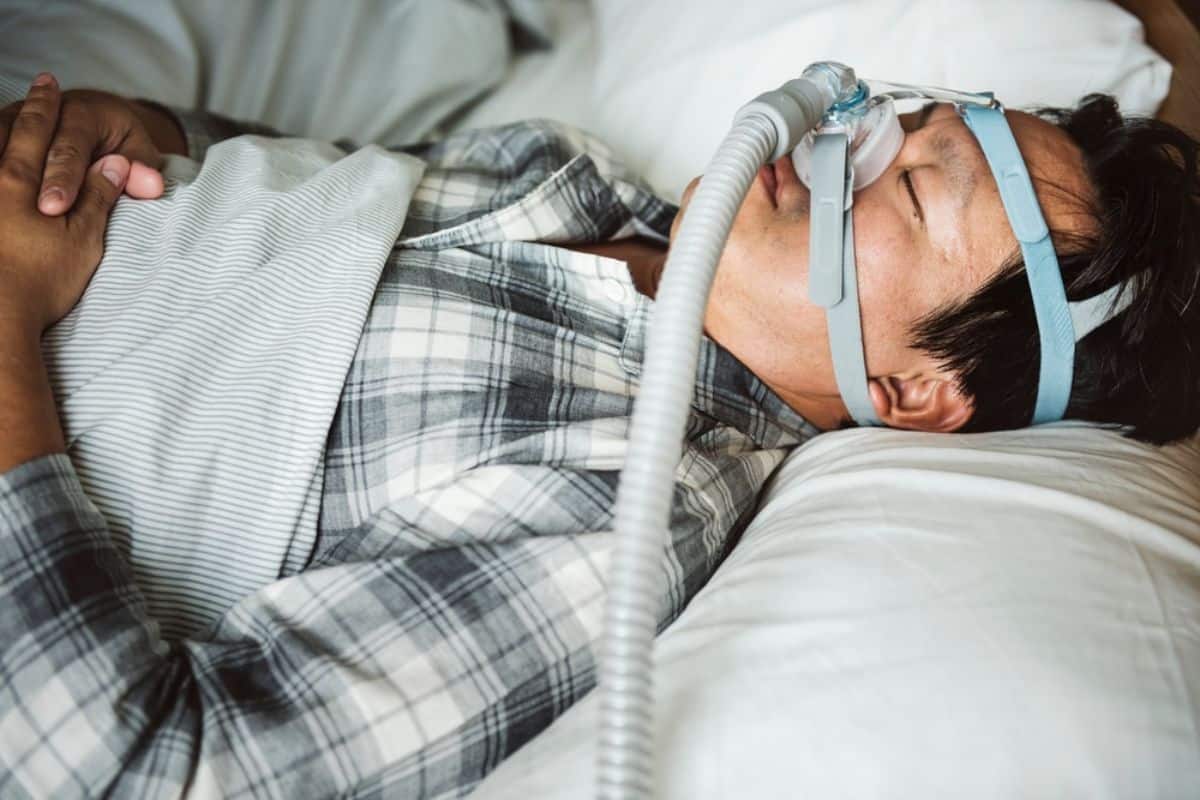
You wake up tired, even after a whole night’s sleep. You have started snoring louder, and your partner says you sometimes stop breathing during the night. What’s more, your family had the same issues. It makes you wonder: Is sleep apnea genetic? If this sounds familiar, this article has your answers. Understanding the link between OSA syndrome and family history could be the key to getting ahead of a serious health issue. Here’s what you need to know.
How Are Genetics Connected to Your Snoring Habits?
Yes, sleep disordered breathing can run in families. Research shows that if your parents or siblings have OSA syndrome, your risk may be higher. One study found that if one or both of your parents have the condition, your risk may increase by up to 2.5 times. However, it is not all about the genes you inherit.
Your genes affect more than just how you look. They influence how your body responds to factors like muscle tone and fat distribution. In the case of sleep apnea, genes can also impact how your brain regulates breathing while you sleep.
If you live locally and see these signs in yourself or a loved one, sleep apnea treatment can help address the issue before it worsens.
Key Points About Sleep Apnea Being A Genetic Risk:
- Twin studies suggest that 40%–70% of the risk for sleep apnea is genetic.
- Specific genes affect the muscle tone in your airway.
- Your body’s ability to respond to low oxygen may also be inherited.
Genetics certainly plays a part, but your risk does not solely depend on your DNA. Environmental and lifestyle factors also play key roles in whether or not the condition develops.
Neurological Factors Contributing To Sleep Apnea Risks
While most people focus on physical traits like neck size or jaw structure, neurological factors can also contribute to sleep-disordered breathing risk. These factors can also be inherited.
For example, some people with a family history of obstructive apnea may have a brain that does not react quickly enough to drops in oxygen levels during sleep. Others may have genetic variations affecting muscle tone in the throat, making it harder to breathe properly while asleep.
An accurate diagnosis becomes even more crucial because these neurological influences are not visible. That is why sleep apnea treatment in Leawood often includes advanced technology and neurological assessments to provide a complete picture of what is happening.
How Does Family History and Ethnicity Affect Your Risk?
Your family history provides key clues about your risk, but so does your ethnic background. Some people are more likely to develop sleep apnea due to inherited traits.
For example:
- African American adults often have higher rates of obstructive sleep apnea (OSA), even with a lower BMI.
- East Asian individuals may have skeletal structures that increase their risk.
- Men tend to be diagnosed earlier, but post-menopausal women may experience symptoms later in life.
These subtle differences matter when diagnosing and creating a treatment plan for sleep apnea. This necessitates personalized care based on family history and ethnicity, which are essential for effective treatment.
Why Personalized Sleep Disordered Breathing Treatment Matter?
If sleep apnea runs in your family, you need more than a generic treatment plan. At Asha Dental, we personalize your treatment based on your unique needs.
We do not just treat the symptoms. We treat the whole person. Our process involves:
- Evaluate your family’s medical history.
- Advanced scanning to assess your airway anatomy.
- Identify your specific sleep behaviors and arousal responses.
With early intervention, sleep apnea treatment can prevent your condition from worsening and improve your quality of life. Whether you need a CPAP machine or a comfortable oral appliance, we can help you find the solution that best fits your needs.
So, is sleep apnea genetic? Yes, it can be. However, your family history, anatomy, and ethnicity can also affect your risk. Understanding these factors is the first step toward effective treatment.
If you are noticing signs of sleep apnea, don’t wait. Asha Dental in Leawood, and Overland Park offers personalized, compassionate treatment to help you breathe better and sleep more soundly. Book your appointment today and take control of your nights and your health.