 11100 Ash St Suite #204, Leawood, KS 66211
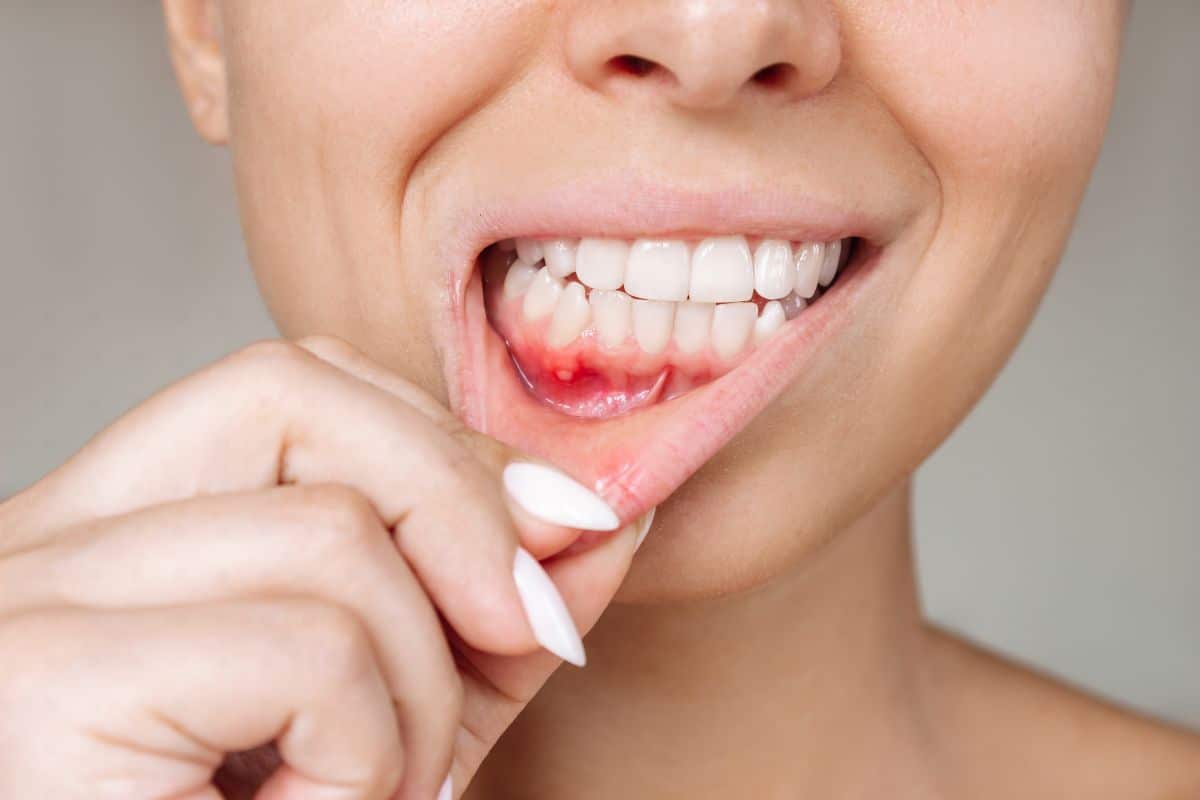
If you are dealing with recurring mouth ulcers causes may be more varied than a simple canker sore. Mouth ulcers can develop after minor irritation, stress, nutritional problems, or certain health conditions. Most resolve on their own, but repeated or persistent sores deserve attention.
Asha Dental provides dental care from its Leawood office for patients in Leawood and Overland Park, Kansas. A dental examination can help determine whether a recurring mouth sore appears related to local irritation or needs further evaluation.
Recurring Mouth Ulcers Causes Beyond Canker Sores
A mouth ulcer is a sore or damaged area in the lining of the mouth. Canker sores are one common type, but not every recurring ulcer has the same cause.
For example, a sharp tooth edge may repeatedly irritate the same area. Dental appliances can also rub against the cheek or lip. Meanwhile, certain medical conditions can contribute to repeated oral sores.
If you have concerns about a recurring sore, speaking with an experienced dentist can help determine whether local irritation or another issue may be involved.
Common sources of irritation
Everyday irritation can sometimes trigger or prolong a sore. Possible examples include:
- Biting the cheek or lip
- A sharp tooth edge
- Broken dental work
- Rough food
- Ill-fitting oral appliances
- Aggressive brushing
- Certain dental appliances
If a sore keeps appearing in the same location, consider whether something repeatedly touches that area.
Nutritional Factors May Play a Role
Some recurring mouth ulcers can occur alongside nutritional deficiencies. Iron, vitamin B12, folate, and other nutrients support normal tissue health.
A deficiency does not automatically mean it caused your ulcers. However, repeated sores may be one reason to discuss your overall health and diet with a healthcare professional.
Do not self-diagnose: Mouth ulcers have many possible causes. Taking supplements without confirming a deficiency may not address the real problem.
If a dentist suspects a nutritional issue, they may recommend discussing appropriate testing with your medical provider.
Stress and Other Triggers
Stress does not explain every mouth ulcer, but some people notice a connection between stressful periods and recurring sores.
Changes in sleep, eating patterns, and daily habits can also affect oral health. Some people may develop sores after certain foods or during periods of increased stress.
Keeping a simple symptom record can help you identify patterns.
Write down:
- When the sore appeared
- Where it developed
- Foods eaten before the outbreak
- Recent dental work
- Any cheek or lip injury
- Other symptoms
- How long the sore lasted
Over time, this information may help your dentist or healthcare provider recognize possible triggers.
Dental Problems Can Cause Repeated Irritation
Sometimes the source is right inside the mouth.
A rough filling, fractured tooth, sharp edge, or poorly fitting appliance can repeatedly rub against soft tissue. Therefore, treating the source of irritation may help prevent the same problem from returning.
The location can provide a useful clue. A sore that repeatedly develops against the same sharp area deserves a closer look.
However, avoid trying to file or modify a tooth yourself. Dental professionals can safely examine the area and determine whether a restoration, tooth, or appliance needs attention.
Health Conditions Can Also Cause Oral Ulcers
Some health conditions can involve recurring mouth ulcers. These may include certain gastrointestinal disorders, immune-related conditions, infections, and other systemic problems.
That does not mean recurring ulcers automatically signal a serious disease. Most mouth sores have relatively straightforward explanations.
Still, the overall pattern matters.
A dentist may ask about your medical history and whether you have symptoms outside the mouth. This information can help determine whether you should receive additional evaluation from a medical professional.
Medications and Oral Sores
Some medications can contribute to mouth irritation or ulcers in certain people. Therefore, tell your dentist about prescription medicines, over-the-counter drugs, and supplements you use.
Never stop a prescribed medication simply because you suspect it may be related to a mouth sore. Instead, discuss your concerns with the prescribing clinician.
Bring a medication list: Keeping an updated list can make dental and medical appointments more useful.
When a Mouth Ulcer Needs Attention
Many minor mouth ulcers heal within a reasonable period without specific treatment. However, a sore that does not heal, repeatedly returns, or changes in appearance should receive professional attention.
Seek dental or medical evaluation if a mouth sore:
- Lasts longer than expected
- Keeps returning frequently
- Becomes unusually painful
- Bleeds without an obvious reason
- Becomes larger
- Makes eating or swallowing difficult
- Appears alongside other unexplained symptoms
- Develops in the same location repeatedly
Persistent oral lesions should not simply be ignored.
What Your Dentist May Look For
During an examination, your dentist may inspect the sore and surrounding tissues. They may also look for local sources of trauma, tooth problems, gum concerns, or changes elsewhere in the mouth.
The evaluation can include questions about:
- How often the ulcers occur
- How long they last
- Where they appear
- Possible triggers
- Recent dental treatment
- Medications
- Medical history
In some situations, further evaluation may be appropriate. The next step depends on the appearance and history of the lesion.
Ways to Reduce Common Irritation
You may be able to reduce some everyday triggers by making small changes.
Choose softer foods during an outbreak: This can reduce discomfort while the tissue heals.
Avoid obvious irritants: Very spicy, acidic, or rough foods may make some sores feel worse.
Use gentle oral care: Brush carefully with a soft-bristled toothbrush.
Check dental appliances: If an appliance repeatedly rubs against the same area, ask your dentist to evaluate its fit.
Do not pick at the sore: Repeated touching can increase irritation.
Recurring mouth ulcers can have several possible causes, from repeated mechanical irritation to nutritional or systemic factors. Most are not emergencies, but persistent or frequently returning sores deserve professional evaluation.
If you have a mouth ulcer that keeps coming back, you can schedule an appointment with Asha Dental at the Leawood office so the area can be examined.