 11100 Ash St Suite #204, Leawood, KS 66211
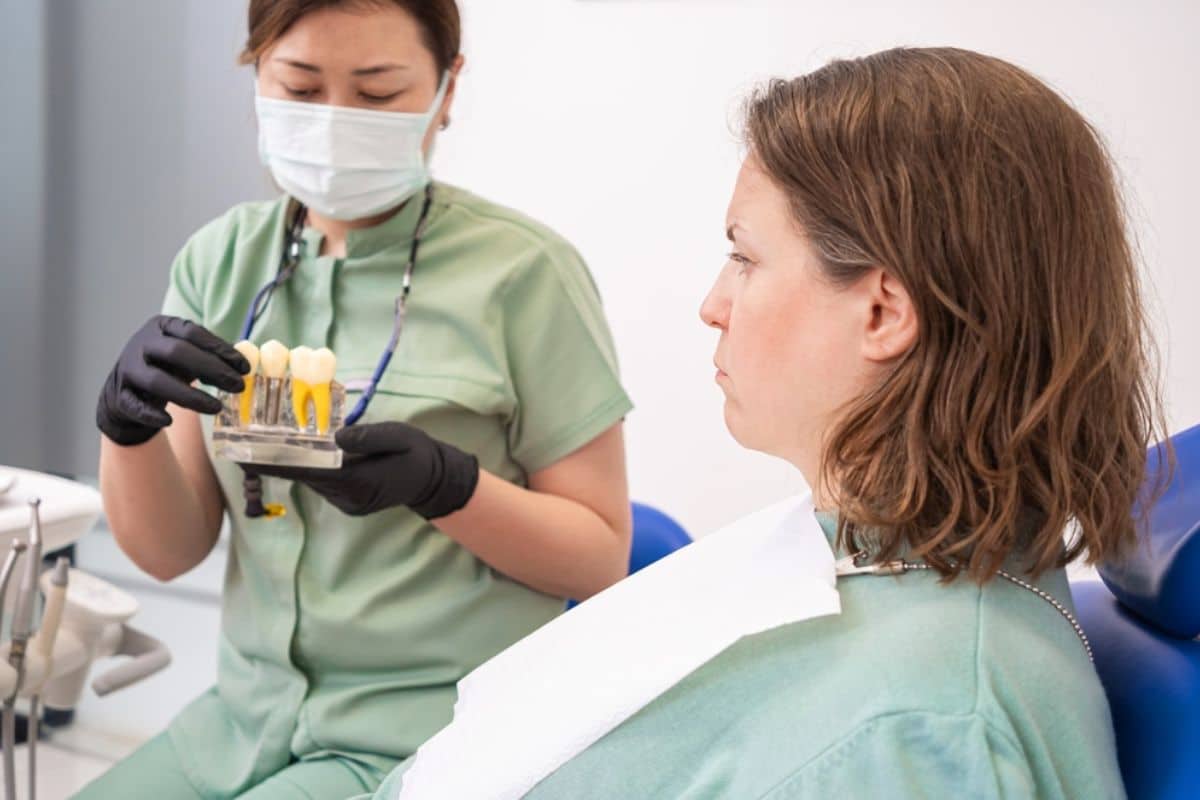
Have you been thinking about getting a dental implant to restore your smile? It is, of course, a great decision, as these missing tooth roots can restore your smile! However, your jawbone needs to be strong enough to support it. With time, bone loss can occur without you even knowing it. So, how do you know if you need a graft first? Read this blog till the end for detailed information!
What Is a Bone Graft?
This surgical procedure adds or replaces bone in your jaw where there is a deficiency. The new bone material can come from another part of your body, a donor, or it can even be synthetic! This graft provides a solid base, allowing the dental implants to integrate successfully.
Signs Your Bone Needs Grafting Before Implant Treatment
Thin or Soft Jawbone
Your jawbone acts as the foundation for your implant. If it is too thin or soft, the implant will not have enough support and can gradually fail. This can happen due to genetics, ageing, or long-term tooth loss. It strengthens your jawbone, ensuring your implant stays secure.
Missing Teeth
Did you know that your jawbone stays strong because of the pressure from chewing? When you lose a tooth, the bone in that area starts to shrink because it is unused. Missing teeth for a longer time can lead to more bone loss. However, bone graft for implants rebuild that lost bone to provide a solid base.
Gum Disease
Advanced gum disease (periodontitis) does not just affect your gums. Your teeth supporting bone may be destroyed. If you had severe gum disease in the past, your jawbone might not be strong enough for the artificial tooth root. However, this treatment can restore lost bone and give your implanted tooth a better chance of success.
Facial Injuries
Accidents can happen, whether it is a sports injury, a fall, or a car accident. Moreover, a forceful impact on your jaw can damage or weaken the bone, making it unable to support an implanted dental prosthesis. In such cases, the grafting procedure can rebuild and strengthen the area.
Congenital Conditions
Some people naturally have a thinner or less dense jawbone due to genetic conditions. This procedure can create a strong foundation for a long-lasting implant if you find it familiar.
Systemic Health Issues
There are certain health conditions, like osteoporosis, that can weaken the bones throughout your body, including your jaw. If your dentist notices signs of weak bone density, they may recommend the grafting treatment to make sure your implant stays stable.
Step-by-Step Process
- Assessment: Your dentist will perform a thorough oral examination, including X-rays or CT scans, to evaluate the condition of your jawbone.
- Procedure: If the treatment is necessary, the oral care provider will discuss the best type of graft material for your situation. The procedure involves placing the material at the site of bone loss and securing it.
- Healing: Over several months, the graft fuses with your existing bone, creating a strong foundation for the implant.
Recognizing these signs can help your dentist plan effectively for a successful dental implant. Are you confused about whether you are an ideal candidate for these artificial tooth roots? Consult with a reliable dental practitioner and check your candidacy. However, if not, bone grafting can be a suitable process to improve your smile.