 11100 Ash St Suite #204, Leawood, KS 66211
Maintaining a healthy smile requires regular dental care, but even with the best oral hygiene practices, you may still experience issues like tooth decay, cracks, or other damage that might require a dental filling or crown. But how do you know when it’s time for one of these procedures? In this blog, we’ll explore the signs that indicate you may need a dental filling or crown and why it’s important to address these issues promptly.
What Is a Dental Filling?
A dental filling is a treatment used to restore a tooth damaged by decay or minor fractures. The dentist removes the decayed part of the tooth and fills the cavity with a material such as composite resin, silver amalgam, or porcelain. Fillings help restore the tooth’s function and prevent further decay.
What Is a Dental Crown?
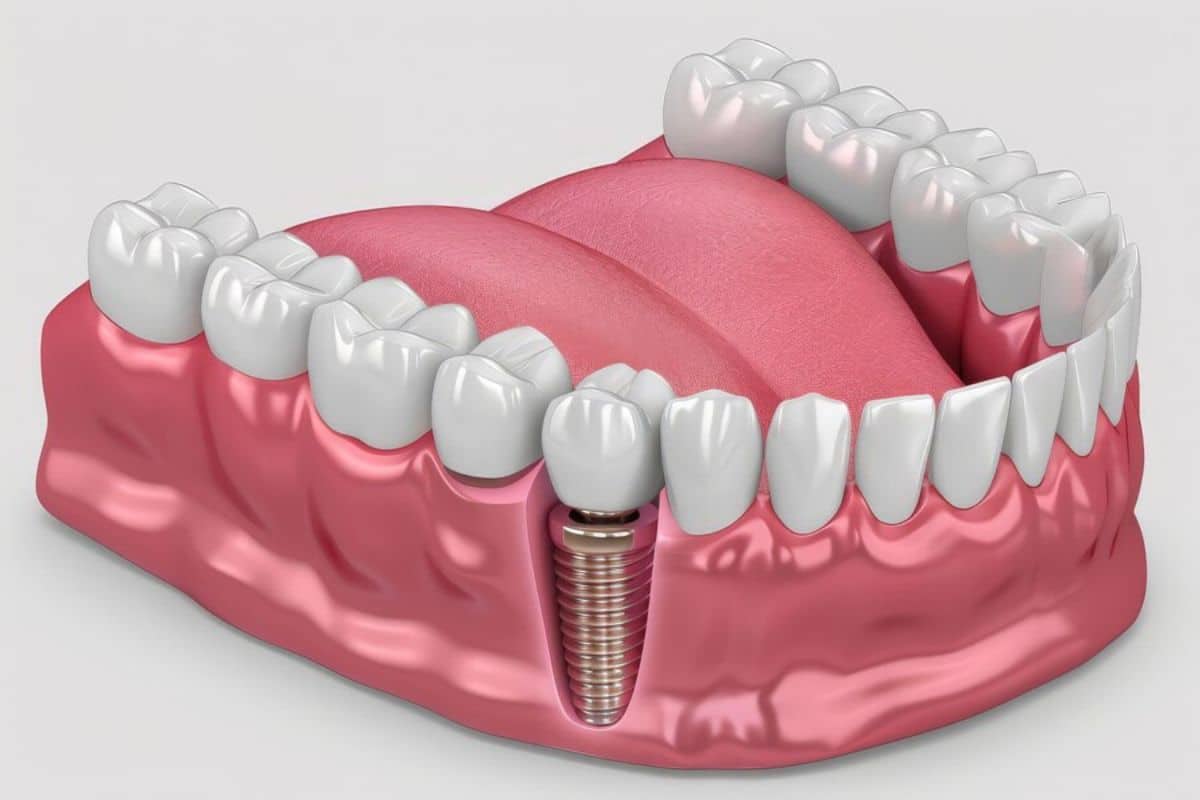
A dental crown, often referred to as a “cap,” is a custom-made covering placed over a damaged tooth to restore its shape, size, strength, and appearance. Crowns are typically made from materials such as porcelain, ceramic, or metal. They are recommended for more extensive damage that a filling cannot adequately repair.
Signs You May Need a Dental Filling
If you notice any of the following symptoms, you may need a dental filling:
1. Tooth Sensitivity
One of the most common signs that you may need a filling is sensitivity to hot or cold temperatures. If you experience a sharp or lingering pain when eating or drinking hot coffee, ice cream, or cold water, it could be a sign of tooth decay. As the enamel wears away, it exposes the underlying dentin, causing sensitivity.
2. Pain When Biting or Chewing
Discomfort when biting down or chewing is another red flag that you may need a filling. This could indicate a cavity or damage to the tooth that is creating pressure on the nerve. It’s important to see a dentist to identify the root cause of the pain and prevent further damage.
3. Visible Holes or Dark Spots on the Tooth
If you can see a hole or dark spot on your tooth, this is a clear sign that decay has already set in. Cavities can start small and go unnoticed, but as they grow, they become visible. Regular dental checkups can catch cavities early, but if you spot one on your own, it’s time to get it filled.
4. Chipped or Cracked Tooth
Minor chips or cracks in the tooth may require a filling to restore the tooth’s structure. Even if the crack doesn’t cause immediate pain, it’s important to have it treated, as it can worsen over time, allowing bacteria to enter the tooth and cause decay.
5. Food Getting Stuck in the Tooth
If you constantly find food getting trapped in a specific area of your tooth, it could be a sign of decay or a crack. This might indicate that a filling is needed to close the gap and prevent further damage or infection.
Signs You May Need a Dental Crown
While fillings are used for less severe issues, crowns are recommended for more extensive damage. Here are signs that you might need a dental crown:
1. Severe Tooth Decay
If tooth decay is too extensive for a filling to repair, a crown may be necessary. Large cavities can compromise the structural integrity of the tooth, and a crown provides the extra support needed to prevent further damage.
2. A Cracked or Broken Tooth
A dental crown is often the best solution for a tooth that has cracked or broken significantly. While minor cracks may be fixed with a filling, deeper cracks can weaken the tooth, making it vulnerable to breaking further. A crown encases the entire tooth, offering more protection and restoring its strength.
3. Root Canal Treatment
If you’ve had a root canal, a crown is usually needed to protect the tooth. After a root canal, the tooth is more fragile, and a crown helps to strengthen and protect it from breaking.
4. Worn-Down Teeth
Teeth that have become worn down due to grinding (bruxism) or erosion from acid wear may need crowns to restore their original shape and function. This helps prevent further wear and damage to the teeth.
5. Discolored or Misshapen Teeth
Crowns are not only used for damaged teeth but can also improve the appearance of discolored or misshapen teeth. If you have a tooth that is severely stained or naturally misshapen, a crown can provide a cosmetic solution while also improving the tooth’s function.
Why You Shouldn’t Ignore the Signs
Ignoring the signs that you might need a filling or crown can lead to more serious dental problems, including infections, abscesses, or the need for tooth extraction. Addressing these issues early can save you time, money, and discomfort in the long run. Regular dental checkups allow your dentist to catch problems before they become severe, but if you’re experiencing any of the symptoms mentioned, it’s important to schedule an appointment as soon as possible.
Conclusion
Whether you need a dental filling or a crown, recognizing the signs early can help you maintain your oral health and prevent more serious complications. Tooth sensitivity, pain when chewing, visible damage, and decay are all warning signs that should prompt a visit to your dentist. With proper care and timely treatment, your smile can remain healthy and strong for years to come.