 11100 Ash St Suite #204, Leawood, KS 66211
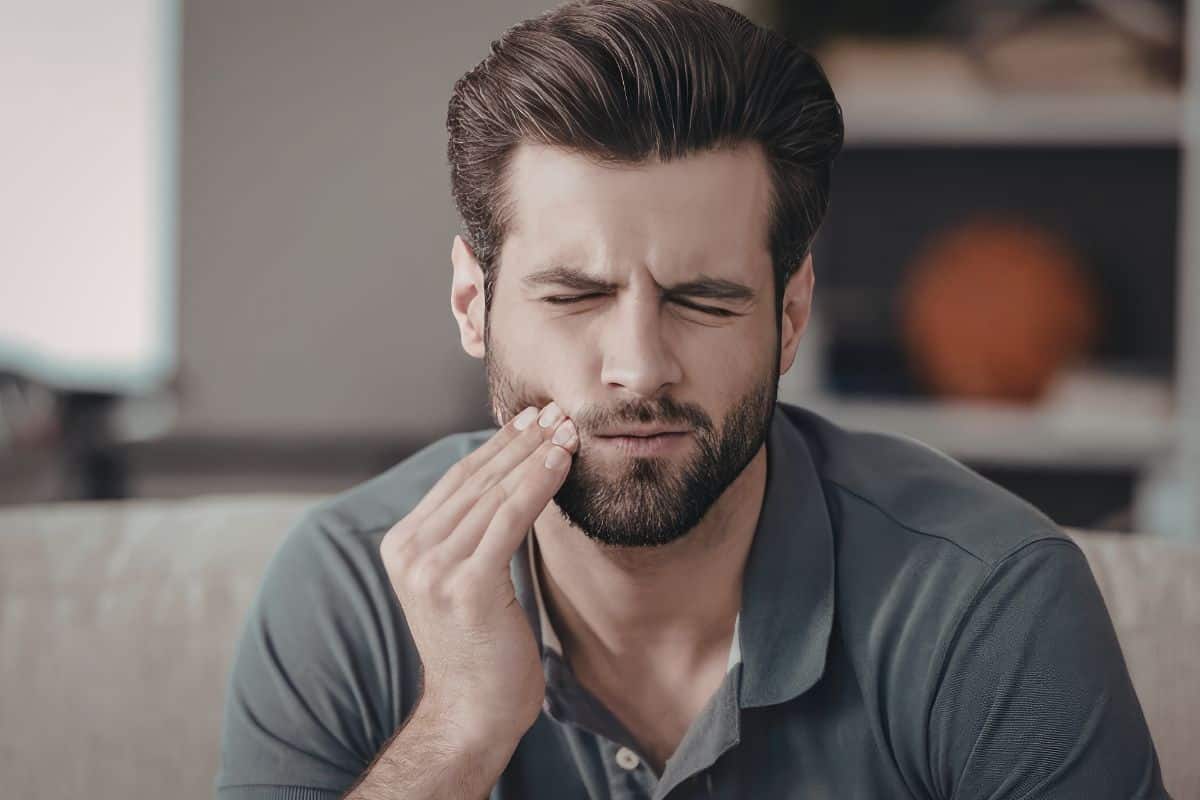
If you’ve noticed jaw clicking or popping while talking, chewing, or yawning, you’re not alone. Many people experience this sound at some point in their lives. In many cases, it is harmless. However, when jaw clicking or popping comes with pain, stiffness, or trouble opening your mouth, it may point to a problem that needs professional care. At Asha Dental – Leawood, Dr. Prashant Patel helps patients understand the cause of jaw joint discomfort and recommends treatment that fits their individual needs. Knowing what causes these sounds can help you protect your oral health before the condition becomes worse.
What Is Jaw Clicking or Popping?
Your jaw moves through a joint called the temporomandibular joint, often called the TMJ. This joint connects your lower jaw to your skull and allows you to:
- Talk comfortably
- Chew food
- Smile
- Yawn
- Open and close your mouth
When this joint or the muscles around it do not work smoothly, you may notice jaw clicking or popping during movement. Sometimes the sound happens without pain. Other times, it comes with discomfort that affects daily life.
Common Causes of Jaw Clicking or Popping
Several conditions can lead to jaw clicking or popping. Understanding the cause helps determine whether treatment is necessary.
TMJ Disorders
One of the most common reasons is a temporomandibular joint disorder, also called TMD.
This condition develops when the jaw joint becomes irritated or does not move correctly. Symptoms may include:
- Jaw pain
- Clicking sounds
- Popping sensations
- Headaches
- Difficulty chewing
- Limited jaw movement
TMJ disorders can range from mild to severe, so an early evaluation often helps prevent ongoing discomfort.
After learning about TMJ disorders, many people begin searching for a dentist near Overland Park who can evaluate their symptoms. If you live nearby, Asha Dental – Leawood offers personalized evaluations with Dr. Prashant Patel, who carefully examines jaw movement, bite alignment, and muscle function before recommending conservative treatment options whenever possible.
Teeth Grinding and Jaw Clenching
Many people grind or clench their teeth while sleeping without realizing it.
Over time, this habit places extra pressure on the jaw joint and surrounding muscles. As a result, you may experience:
- Morning jaw soreness
- Tooth wear
- Facial muscle pain
- Frequent clicking sounds
A custom night guard often helps reduce stress on the joint while protecting your teeth.
Jaw Injury
An accident, sports injury, or fall can affect how the jaw joint moves.
Even after the pain improves, the joint may continue producing clicking or popping sounds. A dental examination can determine whether the injury has changed your bite or damaged the joint.
Arthritis
Just like knees or shoulders, the jaw joint can develop arthritis.
As cartilage wears down, movement becomes less smooth. This may cause:
- Grinding sensations
- Stiffness
- Pain while chewing
- Reduced jaw movement
Bite Problems
If your upper and lower teeth do not fit together correctly, the jaw muscles may work harder during everyday activities.
Over time, this extra strain can contribute to jaw clicking or popping and muscle fatigue.
Stress
Stress affects more than your mind.
Many people unconsciously tighten their jaw muscles throughout the day. Constant muscle tension may increase pressure on the TMJ and eventually lead to discomfort or clicking.
When Is Jaw Clicking Normal?
Not every clicking sound means something is wrong.
You may simply notice occasional sounds when:
- Opening your mouth wide
- Eating large foods
- Yawning
- Moving your jaw after long periods of rest
If there is:
- No pain
- No swelling
- No locking
- Normal jaw movement
the condition may simply require monitoring rather than treatment.
Warning Signs You Should Not Ignore
Although some cases are harmless, certain symptoms deserve prompt attention.
Persistent Pain
Pain that lasts for several days or continues getting worse should never be ignored.
Jaw Locking
If your jaw becomes stuck in an open or closed position, seek professional care as soon as possible.
Difficulty Eating
Pain while chewing can interfere with nutrition and everyday comfort.
Frequent Headaches
TMJ problems often cause tension headaches because the jaw muscles connect closely with muscles in the head and neck.
Ear Pain Without an Ear Infection
Because the jaw joint sits close to the ear, TMJ problems sometimes feel like an earache even when the ear itself is healthy.
How Dentists Diagnose Jaw Problems
Your dentist will first discuss your symptoms and medical history.
Next, they may:
- Examine jaw movement
- Listen for clicking sounds
- Check your bite
- Feel the jaw muscles for tenderness
- Evaluate how far your mouth opens
If necessary, imaging such as digital X-rays or advanced scans may help identify joint problems more clearly.
Treatment Options for Jaw Clicking or Popping
Treatment depends on the underlying cause rather than the sound itself.
Lifestyle Changes
Simple adjustments often provide relief.
Examples include:
- Eating softer foods temporarily
- Avoiding chewing gum
- Limiting wide mouth opening
- Applying warm compresses
- Practicing stress management
Night Guards
If teeth grinding contributes to the problem, a custom-made night guard protects your teeth while reducing stress on the jaw joint.
Bite Adjustment
In certain situations, correcting bite problems can improve jaw movement and reduce strain.
Physical Therapy
Gentle stretching exercises may strengthen jaw muscles and improve mobility.
Advanced TMJ Treatment
Patients with more significant symptoms may benefit from specialized TMJ therapy designed to reduce pain, improve jaw function, and restore comfortable movement. Dr. Prashant Patel provides personalized evaluations because every patient experiences TMJ disorders differently.
Can You Prevent Jaw Clicking or Popping?
While prevention is not always possible, healthy habits lower your risk.
Try these practical tips:
- Avoid chewing ice
- Limit gum chewing
- Practice good posture
- Reduce daily stress
- Wear a mouthguard during sports
- Treat teeth grinding early
- Visit your dentist regularly
Small lifestyle changes often reduce unnecessary stress on the jaw joint.
Frequently Asked Questions
Does jaw clicking always mean I have TMJ?
No. Some people experience clicking without pain or damage. However, pain, locking, or limited movement should be evaluated by a dentist.
Can stress make my jaw click?
Yes. Stress often causes jaw clenching and muscle tension, which may increase pressure on the TMJ.
Will jaw clicking go away on its own?
Some mild cases improve naturally. Others continue or worsen if the underlying cause remains untreated.
Is surgery usually required?
No. Most patients improve with conservative treatments such as night guards, lifestyle changes, and customized TMJ therapy. Surgery is rarely the first option.
Occasional jaw clicking or popping without pain may not require treatment. However, if you experience persistent pain, headaches, jaw locking, or difficulty chewing, don’t ignore the symptoms. Early diagnosis can help prevent further joint damage and make treatment more effective. If you’re looking for trusted care, schedule an appointment with Dr. Prashant Patel at Asha Dental – Leawood. Our team will identify the cause of your symptoms, explain your treatment options, and create a personalized plan to help you regain comfortable jaw function.