 11100 Ash St Suite #204, Leawood, KS 66211
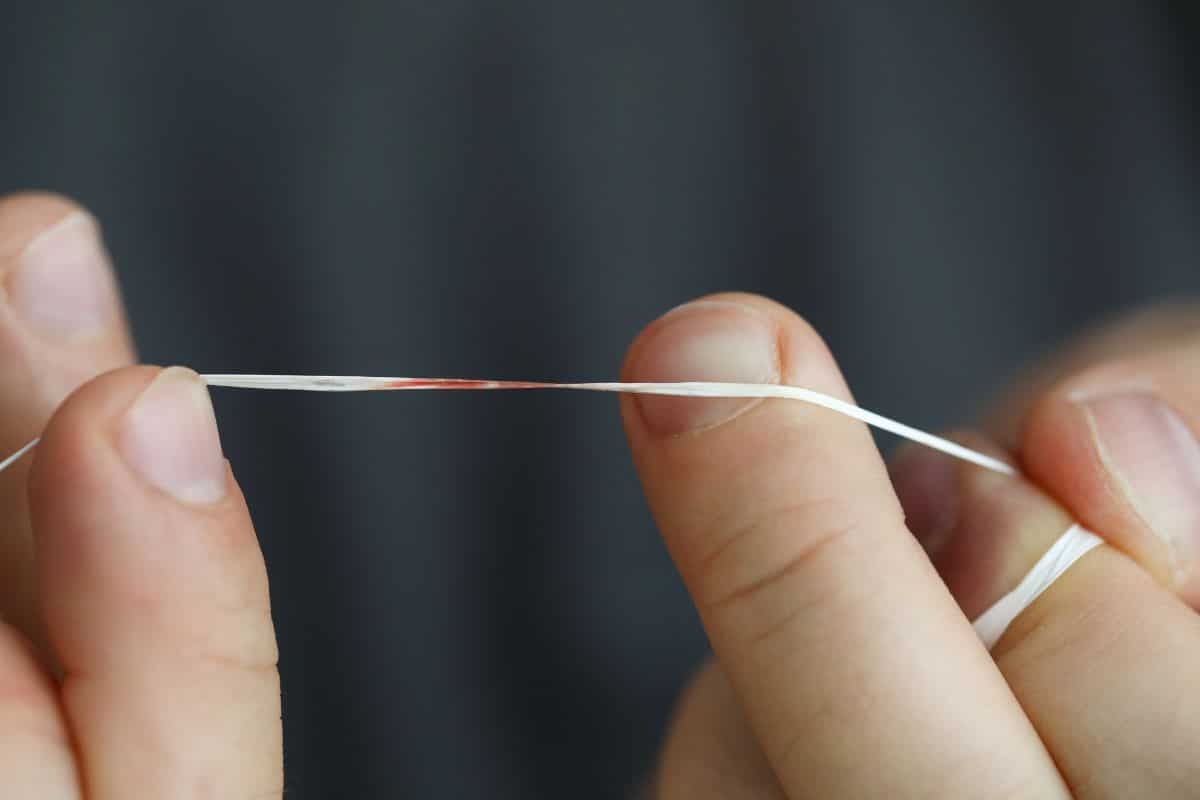
If you have ever noticed a little pink in the sink after flossing, you are not alone. Many people see their gums bleed when flossing and immediately wonder whether something is seriously wrong. The short answer is: sometimes it is normal, and sometimes it is a warning sign worth paying attention to. Understanding the difference can save your smile and your overall health.
Most people do not floss every single day. Life gets busy, and that step gets skipped. But here’s what happens when you finally do pick up that floss after a few days off: The gum tissue has become slightly inflamed and tender, and the friction from flossing disturbs it just enough to cause a small bleed. This is the most common reason gums bleed when flossing, and it is usually nothing alarming on its own.
The Most Common Reasons Your Gums Bleed
1. Infrequent Flossing
Think of it like this: if you stopped exercising for two weeks and then ran five miles, your muscles would protest loudly. Your gums will react the same way to sudden flossing after a long break. The tissue becomes a little puffy and sensitive, and when you floss, it bleeds briefly. The fix here is simple: floss consistently every day, and within a week or two, most people find the bleeding stops entirely.
2. Gingivitis: The Early Stage of Gum Disease
Gingivitis is the clinical term for early gum inflammation, and bleeding during flossing is its most common calling card. It develops when plaque, the sticky film of bacteria that coats your teeth, is not removed properly through brushing and flossing. The bacteria irritate the gum tissue, making it red, swollen, and quick to bleed. The reassuring news is that gingivitis is fully reversible with a professional cleaning and better home care habits. Catching it early is the key, which is exactly why regular checkups with a trusted dentist matter so much.
3. Technique Issues
Believe it or not, how you floss matters just as much as whether you floss. Snapping the floss hard down into your gums rather than gently sliding it along the curve of each tooth can bruise sensitive tissue and cause bleeding. If this sounds familiar, try using a gentler C-shape motion, wrapping the floss around each tooth and gliding it gently up and down the side of the mouth. Water flossers are another great option for people with sensitive gums.
4. Medications That Affect Bleeding
Certain medications, including blood thinners, aspirin, and some antihistamines, can make gum tissue more prone to bleeding. If you recently started a new prescription and notice your gums are bleeding more than before, mention it to Dr. Prashant Patel at your next appointment. He can help you determine whether your medication is a contributing factor and work with your physician if needed.
5. Pregnancy Gingivitis
Hormonal changes during pregnancy significantly increase blood flow to the gum tissue, which makes it far more reactive and prone to bleeding, even with gentle flossing. This condition is so common that it even has its own name: pregnancy gingivitis. It typically resolves after delivery, but it still requires proper dental care during pregnancy to prevent it from progressing into something more serious.
When Should You Actually Be Concerned?
Occasional bleeding that clears up within a week or two of consistent flossing is usually harmless. However, there are some situations where bleeding gums deserve a closer look from a dental professional. You should schedule an appointment if you notice any of the following:
- Bleeding that persists for more than two weeks of daily flossing
- Gums that bleed spontaneously, even when you are not flossing or brushing
- Gums that look dark red, purple, or swollen around the base of your teeth
- Bad breath that does not go away with regular brushing
- Teeth that feel loose or sensitive near the gumline
- Gums that appear to be pulling away or receding from your teeth
These are signs that can point to periodontitis, which is an advanced stage of gum disease. Unlike gingivitis, periodontitis causes damage to the bone and connective tissue that holds your teeth in place. Left untreated, it can lead to tooth loss and has been linked in research to broader health issues including heart disease and diabetes. Taking bleeding gums seriously is simply smart health care.
A Patient Story Worth Sharing
Consider a patient situation like this one: a woman in her late thirties came into a dental office after years of only brushing and skipping flossing because she assumed a little bleeding meant it was doing harm rather than good. By the time she had a comprehensive exam, she had early signs of periodontitis in several spots. Two deep cleanings and a committed daily flossing routine later, her gum health was restored. The biggest takeaway? Bleeding is not a reason to stop flossing; it’s a sign to start flossing better.
How Asha Dental – Leawood Can Help You Take Charge of Your Gum Health
At Asha Dental – Leawood, Dr. Patel and the entire team take gum health seriously. A professional cleaning removes the tartar buildup that no amount of brushing or flossing at home can reach, and it gives the team a chance to assess the health of your gum tissue up close. If there are early signs of gum disease, they can be addressed right away before they develop into something more complex.
The team at Asha Dental – Leawood also takes the time to walk patients through proper brushing and flossing techniques, because so much of gum disease prevention happens at home. Think of your dental visits as the support system that reinforces all the good work you are already doing.
Simple Daily Habits That Stop Bleeding Gums
Protecting your gum health does not have to be complicated. These everyday habits make a real difference:
- Floss once a day, ideally before bed, using a gentle C-shape technique
- Brush twice a day with a soft-bristled toothbrush for two full minutes
- Use an antimicrobial or fluoride mouthwash to reduce bacterial load
- Stay hydrated, since dry mouth can worsen gum irritation
- Eat a balanced diet low in sugar, which feeds the bacteria that cause plaque
- Do not smoke or use tobacco products, as they significantly worsen gum disease
Take the Next Step for Your Gum Health
Bleeding gums when you floss are your body’s way of asking for attention. Whether the cause is something minor like inconsistent flossing or something that requires professional treatment, you deserve clear answers and a care plan that works. If you are ready to find out what is really going on with your gums, schedule your appointment or visit our dental office. Our team at Asha Dental – Leawood is here to give you honest, compassionate care and help you build a healthier smile one step at a time. Your gums will thank you.