 11100 Ash St Suite #204, Leawood, KS 66211
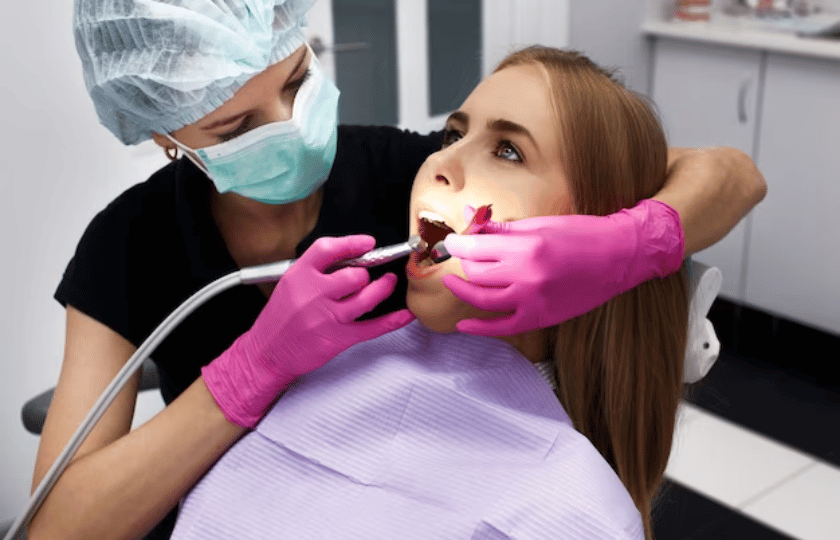
Root canal therapy is a procedure used to repair and save teeth that are damaged or severely infected. It involves removing the diseased pulp from the root canal, cleaning it out, and sealing it with a filling material. While this procedure may sound daunting, understanding how long root canal therapy takes can help you prepare for treatment.
Root canals are one of the most common dental procedures performed by dentists today. This type of treatment is designed to remove infection and decay in order to preserve an affected tooth. While some patients may be apprehensive about undergoing this type of treatment, understanding how long root canal therapy takes can help ease the apprehension and provide a clearer picture of what the treatment will involve.
The Duration of a Root Canal Therapy Appointment
Factors that Affect Treatment Time
Root canal therapy consists of several steps, which may vary depending on the extent of infection or decay present in the tooth. In general, root canal treatments require one to two appointments with your dentist. Most appointments last from 30 minutes to an hour and a half, depending on factors such as the severity of infection, the number of canals in the affected tooth, and the complexity of the filling material used for sealing.
X-Rays and Cleaning Process
Before beginning treatment, your dentist will take an X-ray of the affected area to determine the extent of infection or decay. The X-ray helps your dentist decide how many canals need to be treated and what type of filling material should be used to seal the root canal after treatment.
The cleaning process involves removing all traces of bacteria, pulp, and debris from the root canal with a series of special instruments. Once this is complete, your dentist will fill the cleaned-out canal with a filling material and seal it off to prevent further infection.
Recovery Time After Treatment
Pain Management
Immediately following root canal therapy, you may experience some soreness in the affected area. This is normal and can be managed with a combination of over-the-counter pain medications and cold compresses. After 48 hours, you should feel the soreness subside significantly.
Avoiding Contact Sports
It is important to avoid contact sports or any other activity that puts pressure on the area for at least two weeks after root canal therapy. This helps ensure that the treated tooth does not become traumatized or develop complications as it heals.
Preventing Future Damage
Proper Oral Hygiene
The most effective way to prevent future damage is through proper oral hygiene habits. Brush your teeth twice a day and floss at least once daily. Be sure to replace your toothbrush every three months and visit your dentist twice a year for professional cleanings and exams.
Regular Check-Ups
It is important to see your dentist regularly for check-ups, even after root canal therapy. This allows your dentist to monitor the treated area and ensure that it remains healthy over time.
Conclusion:
Root canal therapy may sound daunting, but with the right preparation and understanding of how long it takes, you can rest assured knowing that this procedure will help restore your oral health. With proper care and regular visits to your dentist, you can be sure that you are taking steps toward preserving the health of both your teeth and gums.
FAQs:
1. How long does it take to recover from root canal therapy?
Most patients experience soreness immediately after treatment, but this should subside within 48 hours. It is important to avoid contact sports or other activities that put pressure on the affected area for at least two weeks while it heals.
2. How often should I visit the dentist following root canal therapy?
Regular check-ups with your dentist are recommended even after the completion of your root canal therapy in order to monitor the health of your treated tooth. Generally, twice-yearly visits are sufficient for most people.
3. What kind of pain medications can be used during recovery?
Over-the-counter pain medications and cold compresses can both be used to manage discomfort following root canal therapy. It is important to speak with your dentist before taking any medications, as certain medications may not be compatible with the procedure.