 11100 Ash St Suite #204, Leawood, KS 66211
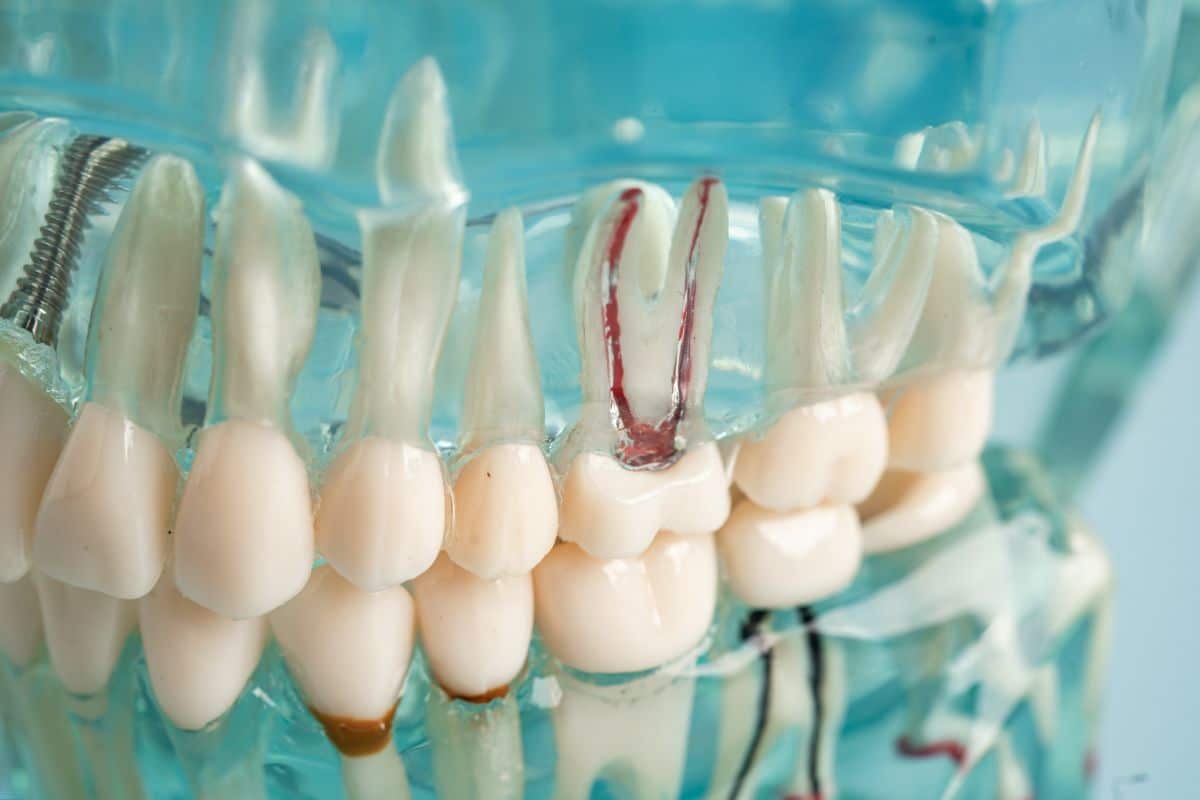
When it comes to Root Canal Therapy for Children, parents often have concerns and questions about the safety, necessity, and process of this dental procedure. While root canals are often associated with adult dental care, children may also need this treatment in certain situations. Root canal therapy can effectively save a damaged or infected tooth, preserving the natural tooth structure and promoting better oral health. Here’s what every parent should know about root canal therapy for their child.
What is Root Canal Therapy
Root canal therapy, commonly referred to as a root canal, is a dental procedure designed to treat infected or damaged tooth pulp—the soft tissue inside the tooth that contains nerves and blood vessels. Infections in the pulp can cause pain, swelling, and sensitivity and, if untreated, may lead to abscesses or tooth loss. For children, root canal therapy is sometimes recommended when the infection threatens their developing teeth and oral health.
Why Your Child Might Need a Root Canal
While it’s less common, children may require root canal therapy under specific conditions, such as:
- Severe Tooth Decay: If decay reaches the pulp of the tooth, a root canal may be necessary to remove the infection and save the tooth.
- Traumatic Injury: An accident or sports injury can cause cracks or damage to a child’s tooth, leading to pulp exposure and possible infection.
- Tooth Pain or Sensitivity: Persistent pain or sensitivity in a child’s tooth could be a sign of pulp damage, often treated with a root canal to provide relief and restore function.
Signs Your Child May Need Root Canal Therapy
Recognizing symptoms early can help prevent further damage. Watch for these signs that may indicate a root canal is necessary:
- Ongoing tooth pain or sensitivity to hot and cold
- Swelling or redness around the affected tooth
- Gum tenderness or pus near the affected area
- A darkening or discoloration of the tooth
The Root Canal Therapy Procedure for Children
The root canal process for children is similar to that for adults but is usually quicker and simpler, thanks to the nature of young teeth. Here’s what typically happens during the procedure:
- Numbing the Area: The dentist will apply local anesthesia to numb the tooth and surrounding area, ensuring a painless experience.
- Removing Infected Pulp: Using specialized instruments, the dentist will carefully remove the infected or damaged pulp tissue.
- Cleaning and Sealing: Once the infected pulp is removed, the empty space is thoroughly cleaned and sealed with a biocompatible material to prevent future infection.
- Restoring the Tooth: In most cases, the treated tooth will need a filling or crown to restore its shape, strength, and appearance.
Benefits of Root Canal Therapy for Children
Root canal therapy has significant advantages for young patients:
- Preserves Natural Tooth: Keeping the natural tooth helps maintain proper jaw alignment and prevents future dental issues.
- Relieves Pain: Root canals eliminate the source of pain and infection, providing lasting relief.
- Prevents Infection Spread: By removing the infection, root canal therapy protects the surrounding teeth and tissues from damage.
How to Help Your Child Recover After Root Canal Therapy
After a root canal, children may experience some mild discomfort. Parents can support their child’s recovery by:
- Encouraging them to eat soft foods for a few days
- Applying cold compresses to reduce any swelling
- Administering over-the-counter pain relievers if necessary, as recommended by the dentist
- Reinforcing good oral hygiene habits to prevent future issues
Final Thoughts
Root canal therapy for children is a safe and effective way to address severe tooth decay or injury, allowing them to retain their natural teeth and avoid complications down the road. For parents, understanding the procedure, its benefits, and how to recognize when it’s needed can make a big difference in their child’s dental health. Consult your child’s dentist if you notice symptoms of tooth infection or injury to ensure timely and appropriate care. Root canal therapy can be the key to a healthy, pain-free smile for years to come.