 11100 Ash St Suite #204, Leawood, KS 66211
You are missing a tooth, or maybe a few. You’ve thought about getting an implant, done a little research, and feel ready to take the next step. But then someone brings up bone loss, and suddenly, you are not sure if you qualify. Sound familiar?
This is one of the most common concerns among adults in Overland Park and the surrounding Leawood area who are exploring tooth replacement options. Many people live with bone loss and do not even know it. The jawbone starts to shrink the moment a tooth is lost, and that process continues silently over months and years. By the time someone sits down to discuss implants, the bone may have already changed significantly.
The good news is that you don’t have to guess where you stand. At Asha Dental – Leawood, Dr. Patel and the team help patients in Overland Park assess their bone health before proceeding with any implant procedure. This blog walks you through everything you need to understand about bone density and how it shapes the outcome of your implant treatment.
Why Jawbone Density Is the Starting Point for Every Implant
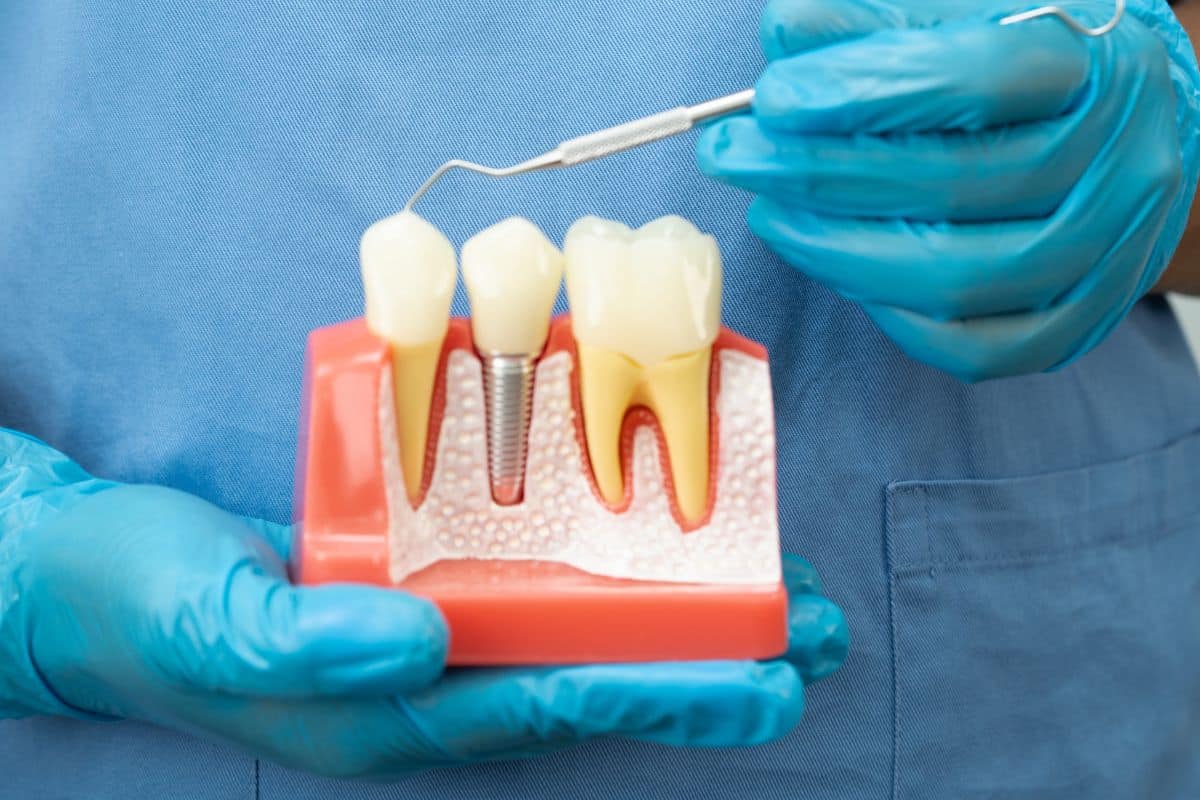
A dental implant is essentially a small titanium post that replaces the root of a missing tooth. For the post to hold steady for years, it needs to fuse with the jawbone, a process called osseointegration. This fusion is only possible when the bone is dense and wide enough to surround and anchor the implant.
What Causes Bone Loss in the Jaw?
Bone loss in the jaw does not happen overnight. It builds up over time and often goes unnoticed until a dental X-ray or scan reveals the change. Several common factors speed up this process:
- Tooth loss — The jawbone needs the pressure of chewing to stay stimulated. Without a tooth root, that stimulation stops, and the bone begins to shrink.
- Gum disease — Periodontal (gum) disease is one of the leading causes of bone deterioration in adults. It destroys the tissue and bone that hold teeth in place.
- Smoking — Tobacco use is especially damaging. It restricts blood flow to the gums and bone, slowing the healing that keeps bone healthy.
- Diabetes — People managing diabetes often experience faster bone loss due to how the condition affects circulation and healing.
- Long-term denture use — Wearing dentures does not stimulate the jaw the way natural teeth do, so bone loss continues under the appliance.
- Age — Bone density naturally decreases as we get older, and this affects both the jaw and the rest of the skeleton.
Many residents of Overland Park lead busy, active lives, juggling work, family, outdoor activities along the area’s trails, and weekend sports. Dental health can fall through the cracks during these busy seasons, which is why bone loss often goes unaddressed for longer than it should.
How Bone Loss Affects Dental Implant Outcomes
This is where the key considerations begin. Bone loss during dental implant treatment is direct and significant. When there is not enough bone volume or density to support the implant post, several problems can arise:
- The implant post may not fuse properly with the bone, leading to failure before the crown is even placed.
- The implant may shift or become unstable over time.
- Surrounding tissues may not heal correctly, increasing the risk of infection.
- The overall long-term success rate drops when bone support is compromised.
That said, low bone density does not automatically mean you cannot get an implant. It means you need a plan, and that plan often starts with a bone graft.
Bone Grafting: Rebuilding the Foundation for Your Implant
A bone graft is a procedure that adds bone material to an area where the jaw has thinned or receded. Over months, this grafted material fuses with the existing bone, increasing the density and volume required for a successful dental implant.
The graft material can come from different sources: your own bone, a donor source, or a synthetic material. The choice depends on how much bone needs to be rebuilt and what approach works best for your situation.
Yes, it adds a step to the process and extends the timeline before your permanent replacement tooth is placed. But it is a necessary step when bone volume is insufficient. Skipping it could put the entire implant at risk.
Other Factors That Influence Implant Success Beyond Bone Density
Bone density is the most critical factor, but it is not the only one. Your overall health picture matters too. During an implant evaluation, your dentist will also consider:
- Gum health — Active gum disease must be treated before any implant work can begin.
- Blood sugar levels — Uncontrolled diabetes slows healing and increases complications.
- Smoking habits — Tobacco use significantly lowers implant success rates.
- Medications — Certain medications can affect bone healing and integration.
- Oral hygiene — Good home care before and after placement is key to keeping the implant healthy long term.
Understanding all of these factors together gives you a realistic picture of what to expect and what steps to take before moving forward.
How to Know If You Are a Good Candidate for Implants
The only accurate way to assess your candidacy is through a proper evaluation. This typically includes dental X-rays and a 3D cone-beam CT scan, which provides a detailed view of your jaw’s bone volume, density, and structure. From there, your dentist can tell you:
- Whether you have enough bone to support an implant as-is.
- Whether a bone graft is needed first.
- What does the realistic timeline look like for your case.
- Whether any other health factors need to be addressed before treatment starts.
Do not rely on a phone consultation or guesswork. A proper imaging-based evaluation is the only starting point that gives you real answers.
Start With a Bone Density Assessment at Asha Dental
If you have been putting off a conversation about tooth replacement because you were not sure where your bone health stands, this is your sign to start. Bone loss does not have to close the door on implants, but it does mean you need a clear picture of what you are working with before moving forward.
Asha Dental – Leawood welcomes patients from Overland Park, Leawood, and surrounding communities who want direct answers about their implant options. Dr. Patel will review your bone density, walk you through what the imaging shows, and help you understand what path makes sense for your specific situation.
Schedule your appointment today and take the first step today to get the clear answers you need before making any decision about implants.