 11100 Ash St Suite #204, Leawood, KS 66211
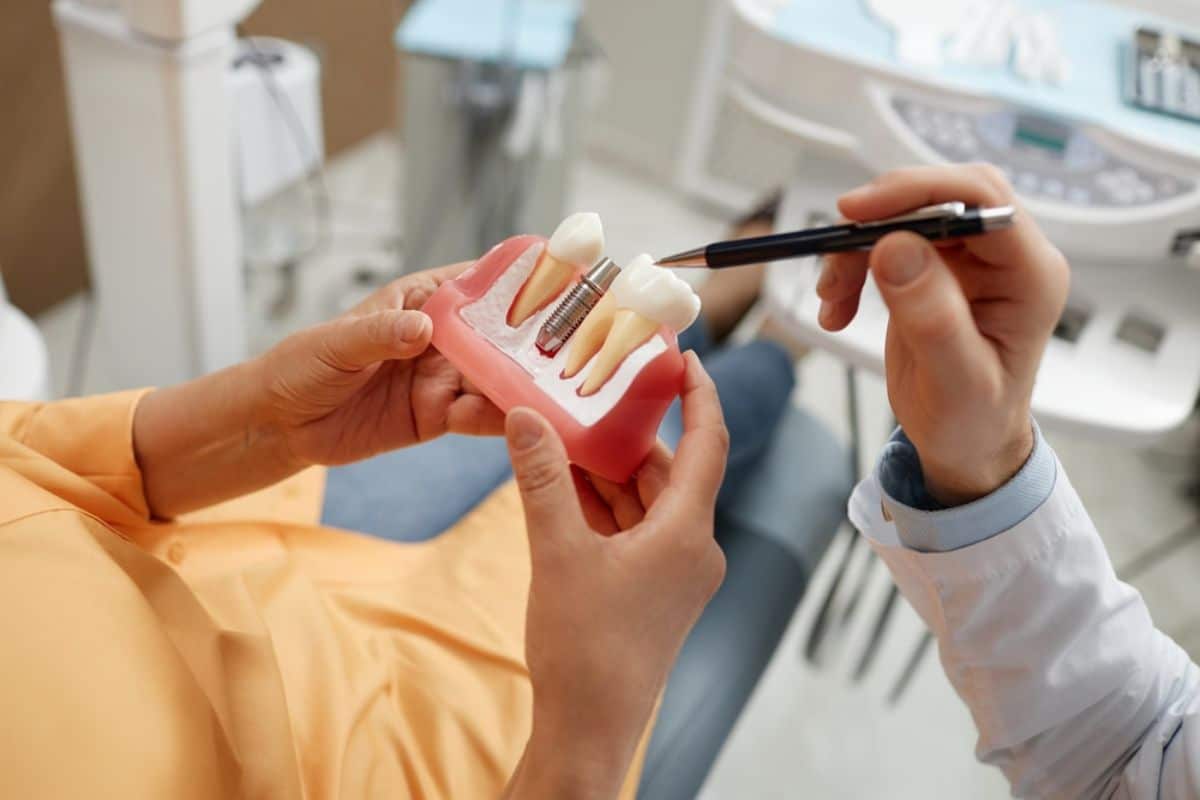
The American Dental Association reports that over 5 million implants are placed in the United States every year. While these artificial tooth roots are a reliable solution for missing teeth, like any other surgical procedure, they come with risks. To be precise, one of the most concerning ones is infection.
So, can dental implants get infected? What could be the cause of it, the symptoms that you should look for, or the precautionary steps you can take? If you find these factors concerning, read this blog until the end.
What You Need to Know About Infected Implants?
When bacteria build up around an implanted dental prosthesis, it causes an infection known as peri-implantitis. This condition is similar to gum disease. It generally begins with inflammation in the gums around the dental implants and can lead to bone loss and even procedure failure if not addressed early.
What Causes Peri-Implantitis?
When it comes to reasons for this dental problem, here are some of the most concerning ones,
Poor Oral Hygiene
Neglecting proper brushing and flossing allows plaque and bacteria to accumulate. This is one of the most common causes of infection around dental prostheses.
Smoking
This habit slows down healing and weakens your immune response, making it harder to fight off infections. It also reduces blood flow to the gums, increasing the risk of complications.
Underlying Medical Conditions
Chronic conditions, such as diabetes, affect healing and immune function. People with poorly controlled diabetes are at a higher risk of dental implant infections.
Surgical or Mechanical Issues
If not placed by an experienced implant dentist, or if the components do not fit well, they create spaces where bacteria can accumulate. Additionally, pre-existing gum disease increases the risk of infection after implantation.
Symptoms You Need to Recognize Early
Early detection is crucial. So, here are the symptoms you need to look for:
- Red, swollen, or bleeding gums around the artificial tooth roots
- Pain or tenderness that does not fade away
- Loose or unstable implant
- Pus or discharge at the treated site
- Persistent bad breath or a bad taste in your mouth
- Fever, if paired with any of the above symptoms
If you notice any of these indications, do not wait. Contact a trustworthy dental practitioner as soon as possible.
Steps You Can Take to Prevent Infections
Prevention is better than a cure. So, here are the preventive steps you can take to prevent such issues,
Practice Adequate Oral Hygiene
- Brush at least twice a day
- Floss regularly around the treated area
- Use an antimicrobial mouthwash if recommended by your dental practitioner
Manage Your Health Conditions
Suppose you have a condition like diabetes, which can be managed with proper medications, diet, and lifestyle. This strengthens your body’s ability to heal and prevent infection.
Schedule Regular Dental Visits
Routine evaluations and professional cleanings detect issues before they become complex. Your dentist will monitor the implant site to ensure it is healing properly.
Most people have a common query, which is: “Can Dental Implants Get Infected even years later?” It’s a valid concern. These artificial tooth roots offer lasting benefits and can greatly improve your smile and chewing ability. However, like natural teeth, infections can still occur if proper care isn’t maintained. Understanding the causes, recognizing early symptoms, and practicing preventive measures are all essential to ensure your dental implants last for many years.
If your dental practitioner has suggested this modern procedure and you are in search of a reliable implant specialist to reduce the risk of infection and procedure failure, schedule a consultation with our dental practitioner at Asha Dental.