 11100 Ash St Suite #204, Leawood, KS 66211
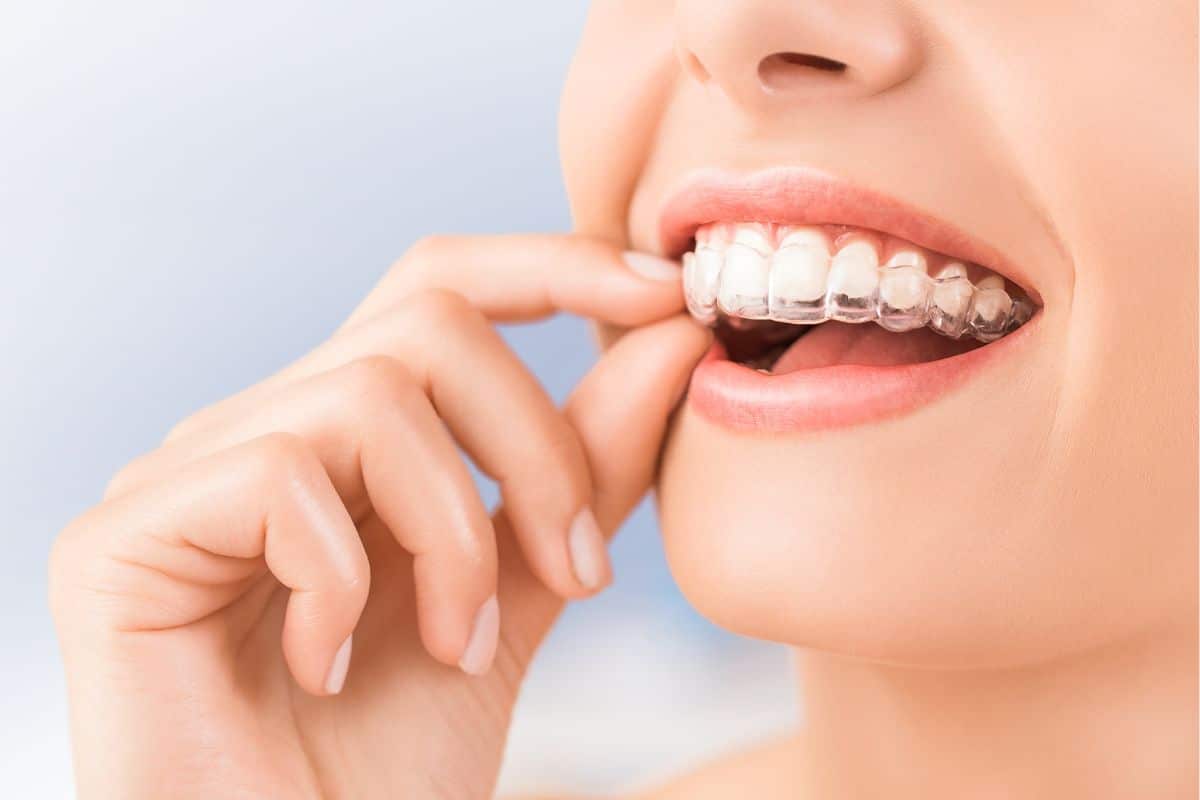
Many people considering clear aligners often wonder about comfort during treatment. Does Invisalign hurt, and how long does Invisalign hurt are common concerns. While mild soreness or pressure is normal, most patients find it far more comfortable than traditional braces. Understanding what to expect helps you prepare for a smoother experience and manage any temporary discomfort effectively.
How Invisalign Moves Teeth and Causes Mild Discomfort
Invisalign uses custom-made plastic trays that apply gentle pressure to shift teeth into their proper positions. This controlled movement is why some patients experience soreness at the start of treatment.
-
The pressure signals that the teeth are adjusting to the new aligner trays.
-
Your gums and soft tissue need time to adapt to the smooth but snug plastic edges.
-
Temporary numbness on the cheeks or tongue may occur but usually resolves quickly.
This mild discomfort is part of the treatment process and indicates that the aligners are doing their job. Understanding why Invisalign hurts helps patients anticipate and manage it.
Early Days of Invisalign Treatment
The first few days after wearing a new set of trays are usually the most noticeable. Patients often experience tenderness, pressure, or minor soreness. This initial phase is temporary and typically lasts 24–72 hours.
At Asha Dental, we make sure each tray fits perfectly to minimize discomfort. Our team guides patients on how to adjust quickly, monitor progress, and care for teeth and gums during the first stages.
-
Initial soreness is expected as teeth shift.
-
Mouth adaptation occurs quickly, usually within a few days.
-
Pressure indicates effective treatment rather than harm.
Managing Discomfort and Pain
While Invisalign treatment is generally comfortable, there are ways to reduce soreness and make treatment easier:
-
Switch aligners at night – Sleeping through the first hours of pressure helps your body adjust naturally.
-
Use cold compresses – Reduces tenderness and inflammation in the jaw or gums.
-
Take over-the-counter pain relievers – Mild pain medication is effective for short-term discomfort.
-
Chew aligner-friendly tools – Bite sticks or chewies help seat trays properly.
-
Eat soft foods initially – Soups, smoothies, and mashed foods minimize chewing pressure.
Following these strategies ensures Invisalign stops hurting quickly and keeps your treatment on track.
Comparing Invisalign with Braces
Many patients worry that Invisalign will hurt more than braces. The answer is usually no. Traditional braces can irritate the mouth because of brackets and wires that may poke or scrape soft tissue. Invisalign trays are smooth, fitting over teeth without protrusions.
-
Pressure is the main sensation, not sharp pain.
-
Less emergency visits compared to broken wires or loose brackets.
-
Comfort improves with each new tray as teeth and gums adjust.
Timeline for Discomfort
Understanding how long and when discomfort occurs helps manage expectations:
-
First 24–72 hours: Most noticeable soreness.
-
Next 4–7 days: Mild tenderness as teeth adapt.
-
Subsequent trays: Minimal discomfort, often easier than previous cycles.
Most patients only experience mild pressure at the beginning of each tray cycle. Over time, your mouth becomes more accustomed, reducing soreness further.
Final Thoughts on Invisalign Comfort
Invisalign is designed for comfort, and any discomfort is temporary and manageable. Mild soreness is a sign of progress, and careful adherence to treatment and home care helps reduce it quickly.
At Asha Dental, our goal is to ensure patients feel confident and comfortable throughout their treatment. If you are ready to achieve a straighter, healthier smile, schedule your appointment, our team will guide you every step of the way to ensure minimal discomfort and maximum results.