 11100 Ash St Suite #204, Leawood, KS 66211
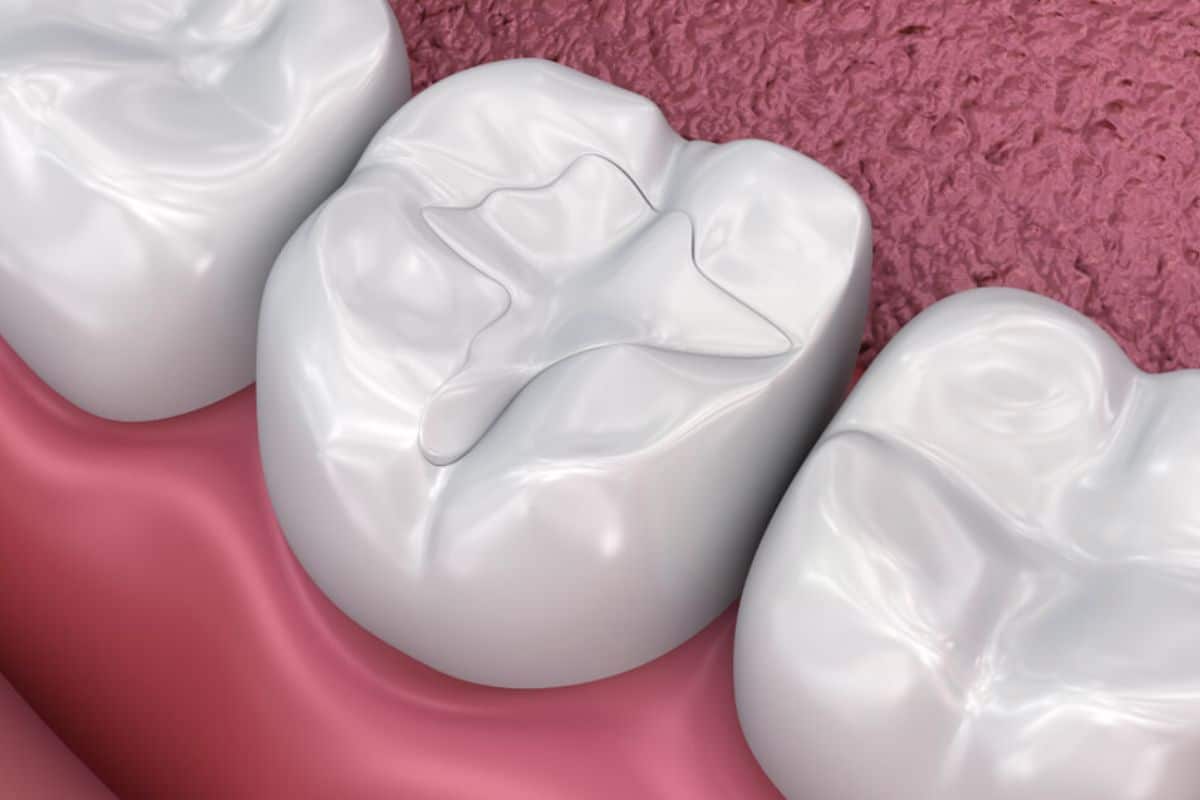
Getting a filling is one of the most common ways to restore a decayed or damaged tooth. If you’re wondering, “How long after a dental filling can I eat?” This is an important question for protecting your teeth, easing recovery, and making sure your filling lasts for years. Want to learn more? Keep reading this blog till the end for comprehensive information.
Understanding Tooth Fillings and Their Role
Fillings restore the structure and function of a tooth that has been weakened by decay or minor fractures. After removing the decayed portion, your dentist fills the cavity. While the filling process is straightforward, your post-treatment care, especially what and when you eat, significantly impacts how well your dental fillings settle.
How Long After a Dental Filling Can You Eat?
The timing depends on the type of filling used and whether local anesthesia was used during the procedure.
Composite (Tooth-Colored) Fillings
The filling hardens instantly under a special curing light. This means you can typically eat as soon as the numbness from anesthesia wears off, usually within a couple of hours. However, it’s wise to start with softer foods and avoid extreme temperatures for a day or two, especially when considering how long after a dental filling can I eat comfortably.
Amalgam (Silver) Fillings
Amalgam fillings take longer to set completely, so it’s recommended to wait at least 24 hours before eating hard or sticky foods. During this period, stick to softer options such as yogurt, mashed potatoes, or soup. Waiting allows the material to harden properly and reduces the risk of damaging the new filling.
Eating Safely After a Filling
Here are some practical tips to help you eat comfortably and protect your restored tooth:
- Wait for numbness to fade: Eating while numb can cause accidental bites to your cheek or tongue.
- Chew on the opposite side: Especially within the first 24 hours, avoid putting pressure on the filled tooth.
- Choose soft foods first: Soups, smoothies, eggs, and pasta are gentle options that reduce strain.
- Avoid sticky and hard foods: Candy, nuts, and ice can pull or crack your filling.
- Skip extremely hot or cold items: Exposure to temperature extremes can cause sensitivity.
Following these habits encourages quicker recovery and helps your filling bond securely.
Managing Sensitivity After a Filling
Mild sensitivity to pressure, temperature, or sweets for a few days is normal as your tooth adjusts. To minimize discomfort:
- Use toothpaste formulated for sensitive teeth.
- Avoid grinding or clenching.
- Stay away from acidic foods or beverages for a couple of days.
Contact your dentist if sensitivity persists beyond two weeks.
When to Resume Normal Eating?
Most patients can return to their regular diet within 24–48 hours, depending on the material and individual healing. Listen to your body: if biting feels uncomfortable, give it more time, and stick to gentle foods.
Long-Term Care for Dental Fillings
Proper oral hygiene is key:
- Brush twice daily with fluoride toothpaste.
- Floss gently.
- Schedule regular checkups.
- Avoid chewing on hard objects like pens or ice.
With attentive care, your fillings can last many years, keeping your smile healthy.
Ready to Enjoy a Pain-Free Bite Again?
Knowing how long after a dental filling I can eat is essential to avoid complications. Composite fillings usually allow for quicker eating, while amalgam requires patience. Follow your dentist’s advice, be gentle with your diet for a day or two, and prioritize good oral hygiene.
If you experience prolonged discomfort or sensitivity, don’t hesitate to contact your dentist immediately. Prompt attention can help prevent any potential issues from worsening. Your oral health is important. Schedule an appointment today to ensure your smile stays healthy and bright.