 11100 Ash St Suite #204, Leawood, KS 66211
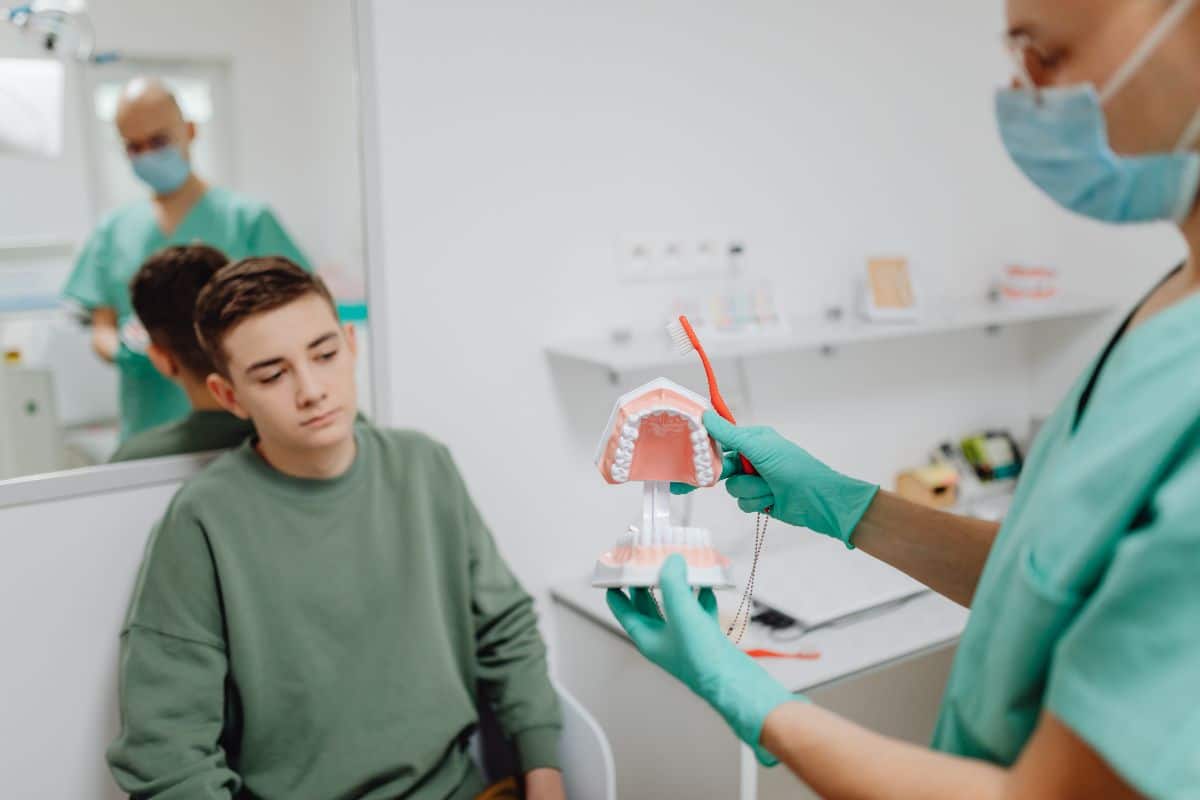
Dental anxiety is one of the most common things people quietly deal with, yet rarely talk about. Estimates suggest that somewhere between 36 and 50 percent of Americans experience some level of dental anxiety, and for about 12 percent, the fear is severe enough to qualify as dental phobia. If you find yourself putting off appointments, lying awake the night before, or gripping the armrests the moment you sit down, you are in very good company.
The important thing to know is that modern dentistry, when practiced well, looks almost nothing like the experience that may have created your anxiety in the first place. But there are real, practical dental anxiety strategies that can make a significant difference. For nervous patients considering a dentist in Leawood, Asha Dental – Leawood was built with you in mind.
Understanding What Drives Dental Anxiety
Dental anxiety rarely comes from nowhere. For many people, it traces back to a painful or frightening experience earlier in life, perhaps a rough extraction or a dentist who did not explain what was happening before doing it. For others, it is the sounds, smells, and sensations of a dental office that trigger a stress response. Some patients feel a deep loss of control when reclined in a chair with someone working in their mouth. And for a meaningful number of people, embarrassment about the current state of their teeth keeps them away far longer than they should be.
Identifying what specifically fuels your anxiety is the first step toward managing it. Once you understand your triggers, you can communicate it to your dental team so they can make adjustments that help.
Proven Dental Anxiety Strategies That Work
Talk to Your Dentist Upfront
This sounds simple, but it is the most important thing you can do. Tell Dr. Prashant Patel and the team at Asha Dental – Leawood that you experience anxiety before your appointment even begins. Dental professionals who specialize in patient comfort, and the team at Asha Dental absolutely does, can adjust the pace of your care, explain every step before proceeding, and check in with you regularly throughout the visit. You should never feel like something is being done to you without your full understanding and consent.
Establish a Stop Signal
One of the most effective anxiety-reducing tools is a simple hand signal. Before the dentist starts, agree on a signal, such as raising your left hand, that means stop right now. This one small adjustment restores a huge amount of control. Knowing you can pause the procedure at any moment makes it far easier to tolerate. Most people find they use the signal rarely or not at all, but just knowing it is there changes everything.
Practice Controlled Breathing
Controlled breathing is not just advice people give because it sounds nice. It has a direct physiological effect on your stress response. Slow, deep breaths activate the parasympathetic nervous system, which counteracts the fight-or-flight reaction that dental anxiety triggers. A simple pattern is to breathe in through the nose for four counts, hold for two, and exhale through the mouth for six. Doing this in the waiting room and throughout your appointment genuinely lowers your heart rate and reduces the feeling of panic.
Use Distraction Strategically
Bringing earbuds and listening to music, a podcast, or an audiobook during your appointment is a surprisingly effective strategy for mild to moderate anxiety. When your brain is occupied with something engaging, it has less bandwidth to fixate on what is happening in your mouth. Some patients prefer to focus on a spot on the ceiling, count ceiling tiles, or visualize a relaxing place. The goal is to redirect mental energy away from the dental procedure and toward something neutral or positive.
Ask About Sedation Options
For patients whose anxiety is more severe, dental sedation is a legitimate and widely used option. Nitrous oxide, commonly known as laughing gas, is a mild sedative that takes effect within minutes, creates a sense of calm and mild euphoria, and wears off quickly. It is safe, effective, and available at many dental practices, including those serving the Leawood area. For more significant anxiety, oral sedation or other options may be discussed. The key is to have an honest conversation with Dr. Patel about what level of support would make your appointment manageable.
Schedule Strategically
Timing matters more than most people realize. If possible, schedule your appointment at a time of day when you are typically calmer and less rushed. Many anxious patients do best with morning appointments, before the stress of the day builds up and before they have hours to overthink it. Avoid scheduling right before or after another stressful commitment. Give yourself time to arrive unhurried, settle in, and decompress afterward if needed.
Bring Someone You Trust
Sometimes just having a familiar, calming presence in the waiting room makes the whole experience more manageable. Ask a friend or family member to come with you. They cannot typically be in the treatment room, but knowing someone is right outside can be genuinely reassuring. Some patients even find it helpful to talk through the visit with a supportive person beforehand just to process some of the anticipatory anxiety.
A Story That Might Sound Familiar
Consider a patient who has not been to the dentist in nine years. She had a genuinely traumatic experience as a teenager, and every time she thought about scheduling an appointment, the anxiety shut it down before she even picked up the phone. She finally came to Asha Dental – Leawood after a friend insisted. Before the exam even started, she told Dr. Patel she was terrified. He walked her through every single step of the exam before touching a tool, established a hand signal, and went at her pace. She needed two fillings. By the second visit, she came in calm. By the third, she brought her kids.
Why the Right Dental Practice Changes Everything
Not all dental offices handle anxious patients well. Some move too fast, skip explanations, or treat anxiety as an inconvenience. The culture of a practice matters enormously, and at Asha Dental – Leawood, creating a comfortable, judgment-free environment for every patient is genuinely core to how the team operates. Dr. Patel and his staff are trained to recognize anxiety, respond with patience, and give patients the control and transparency they need to feel safe.
No one should have to live with unaddressed dental problems because fear keeps them from the chair. Dental disease does not stop progressing while you wait, and the longer anxiety delays treatment, the more complex and expensive care becomes. The compassionate dental anxiety strategies described here are not just comfort measures; they are tools for protecting your long-term health.
Take the First Step Toward a Calmer Dental Experience
If dental anxiety has been keeping you from getting the care you need, this is your sign to try a different approach. You deserve a dental team that takes your feelings seriously and works with you, not around you. We warmly invite you to visit our dental office or schedule an appointment with Dr. Patel at Asha Dental – Leawood. Tell us about your anxiety. We are ready to listen, and we are very good at this. You may be surprised at just how different a dental visit can feel when the right team is in your corner.