 11100 Ash St Suite #204, Leawood, KS 66211
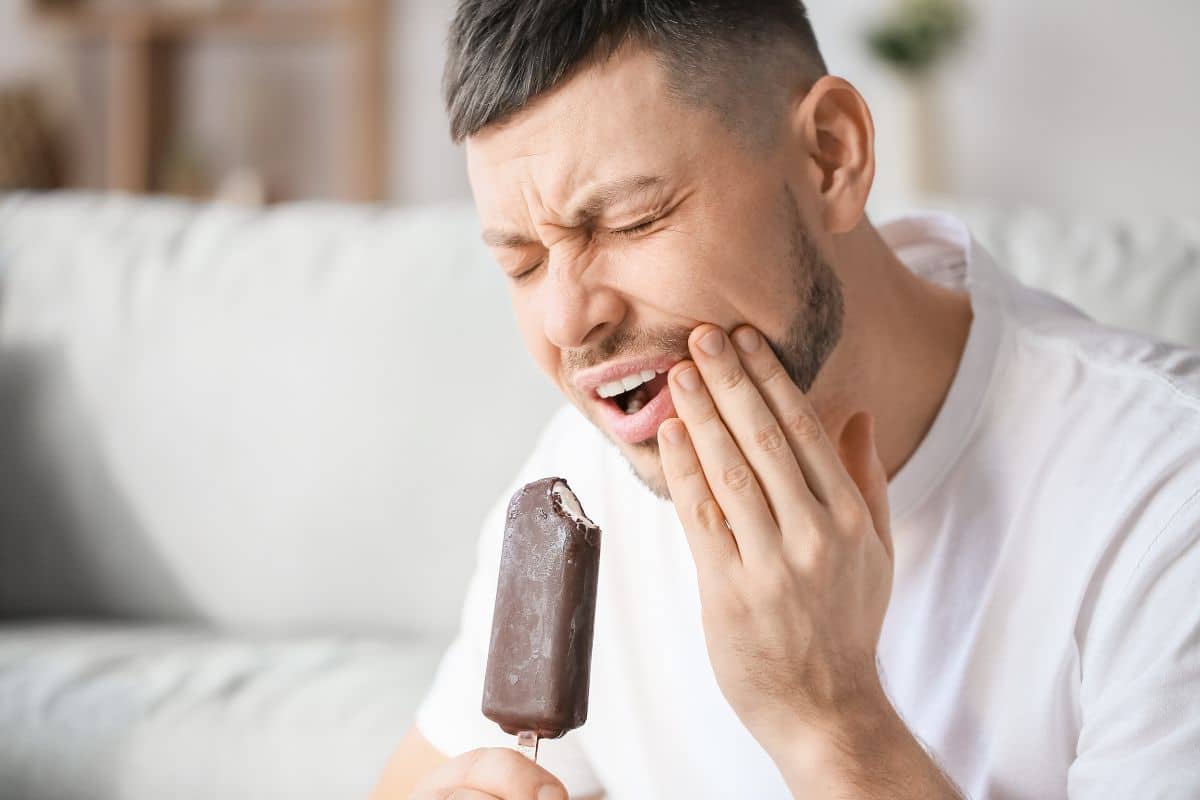
Reasons for tooth sensitivity can range from simple habits to underlying dental conditions. If you feel a sharp pain when eating ice cream, sipping hot coffee, or brushing your teeth, you are not alone. Many adults experience sensitive teeth at some point in their lives. The good news is that identifying the cause often leads to effective treatment. At Asha Dental – Leawood in Leawood, patients receive personalized care to find the source of their discomfort and restore a healthier, more comfortable smile.
What Is Tooth Sensitivity?
Tooth sensitivity occurs when the protective layers of a tooth become worn or damaged, exposing the dentin underneath. Dentin contains tiny tubules that connect to the tooth’s nerve. When hot, cold, sweet, or acidic foods reach these tubules, they can trigger a short, sharp pain.
While occasional discomfort may not seem serious, ongoing sensitivity should never be ignored. Early diagnosis can prevent minor issues from becoming more complex problems.
Common Causes of Sensitive Teeth
Understanding what causes sensitivity is the first step toward finding relief. Several everyday factors can contribute to this condition.
Worn Tooth Enamel
Enamel is the hard outer layer that protects your teeth. Over time, it can wear down due to daily use or unhealthy habits.
Common causes of enamel wear include:
- Brushing too hard
- Using a toothbrush with hard bristles
- Frequent consumption of acidic foods and drinks
- Teeth grinding
- Natural aging
After identifying the reasons for tooth sensitivity, many patients trust Asha Dental – Leawood because our experienced Leawood dentist can recommend personalized treatment options that relieve discomfort while protecting long-term oral health.
Gum Recession
Healthy gums cover and protect the roots of your teeth. When gums recede, the roots become exposed. Since roots do not have enamel protection, they are much more sensitive to temperature changes.
Gum recession may develop because of:
- Gum disease
- Aggressive brushing
- Tobacco use
- Aging
- Teeth grinding
Treating gum problems early can reduce discomfort and prevent further recession.
Tooth Decay
Cavities damage the tooth structure and allow outside stimuli to reach sensitive areas.
If sensitivity occurs in only one tooth, decay may be the cause. A dental examination can determine whether a filling or another restoration is necessary.
Cracked or Chipped Teeth
Small cracks sometimes develop after biting hard foods, experiencing an injury, or grinding your teeth.
These cracks allow heat, cold, and bacteria to reach the inner layers of the tooth, causing discomfort.
Early treatment helps protect the tooth from additional damage.
Lifestyle Habits That May Increase Sensitivity
Some daily habits can gradually make teeth more sensitive without you realizing it.
Frequent Acidic Foods and Drinks
Acid weakens enamel over time.
Common acidic items include:
- Citrus fruits
- Sports drinks
- Soft drinks
- Energy drinks
- Tomatoes
- Vinegar-based foods
Limiting acidic beverages and rinsing with water afterward can help protect enamel.
Teeth Grinding
Many people grind or clench their teeth during sleep.
This habit places excessive pressure on enamel and may eventually expose the dentin beneath.
Signs of grinding include:
- Morning jaw soreness
- Flattened teeth
- Headaches
- Increased sensitivity
A custom nightguard may help protect your teeth while you sleep.
Recent Dental Procedures
Some people notice temporary sensitivity after treatments such as:
- Professional cleanings
- Fillings
- Crowns
- Teeth whitening
In most cases, this discomfort improves within several days. However, persistent pain should be evaluated by your dentist.
Effective Treatments for Sensitive Teeth
Treatment depends on the underlying cause. Because every patient is different, your dentist will recommend the most appropriate solution after a thorough examination.
Desensitizing Toothpaste
Special toothpaste contains ingredients that help block pain signals traveling from the tooth surface to the nerve.
Consistent use often provides gradual relief within a few weeks.
Fluoride Treatments
Professional fluoride strengthens enamel and helps reduce sensitivity.
Fluoride may also lower the risk of future cavities while improving overall tooth protection.
Dental Fillings or Crowns
If decay, cracks, or worn restorations cause sensitivity, repairing the damaged tooth often eliminates discomfort.
Restorations also strengthen weakened teeth and restore normal function.
Gum Disease Treatment
When gum recession results from periodontal disease, treating the infection becomes the priority.
Healthier gums help protect exposed roots and reduce future complications.
Nightguards
Patients who grind their teeth may benefit from wearing a custom nightguard.
Nightguards reduce pressure on teeth and help prevent additional enamel wear.
Tips to Prevent Future Sensitivity
Simple daily habits can protect your teeth and lower your risk of developing sensitivity.
Practice Gentle Brushing
Brush your teeth using gentle pressure with a soft-bristled toothbrush.
Brushing harder does not clean better. Instead, it may wear away enamel and irritate your gums.
Maintain Good Oral Hygiene
Healthy teeth and gums are less likely to develop conditions that cause sensitivity.
Remember to:
- Brush twice daily
- Floss every day
- Use fluoride toothpaste
- Replace your toothbrush regularly
Choose Foods Wisely
Reducing acidic foods and sugary snacks helps protect enamel.
Instead, include foods rich in calcium and phosphorus, which support stronger teeth.
Schedule Regular Dental Checkups
Routine dental visits allow your dentist to detect problems before they become painful.
Preventive care often saves time, discomfort, and future treatment costs.
When Should You See a Dentist?
Occasional sensitivity may not require immediate treatment. However, you should schedule an appointment if you experience:
- Persistent pain
- Sensitivity in one specific tooth
- Pain while biting
- Swelling around a tooth
- Bleeding gums
- Sensitivity that continues for several weeks
Prompt evaluation helps identify the cause before it worsens.
Frequently Asked Questions
Can sensitive teeth heal on their own?
Sometimes mild sensitivity improves after changing brushing habits or using desensitizing toothpaste. However, ongoing discomfort often requires professional evaluation.
Does whitening always cause sensitivity?
Not always. Some patients experience temporary discomfort after whitening, but it usually improves within a few days.
Is sensitivity always caused by cavities?
No. Gum recession, enamel wear, teeth grinding, cracked teeth, and acidic foods can also contribute to sensitive teeth.
Can children develop sensitive teeth?
Yes. Although it is less common, children can develop sensitivity due to cavities, enamel defects, or injuries. A dental examination can determine the cause.
Sensitive teeth can interfere with eating, drinking, and enjoying everyday activities, but effective treatment often begins with identifying the underlying cause. Whether the problem involves enamel wear, gum recession, tooth decay, or another issue, early care can protect your smile and improve your comfort. If you are experiencing ongoing discomfort, Asha Dental – Leawood is here to help. Schedule your appointment with our Leawood team today to receive personalized care and lasting relief.