 11100 Ash St Suite #204, Leawood, KS 66211
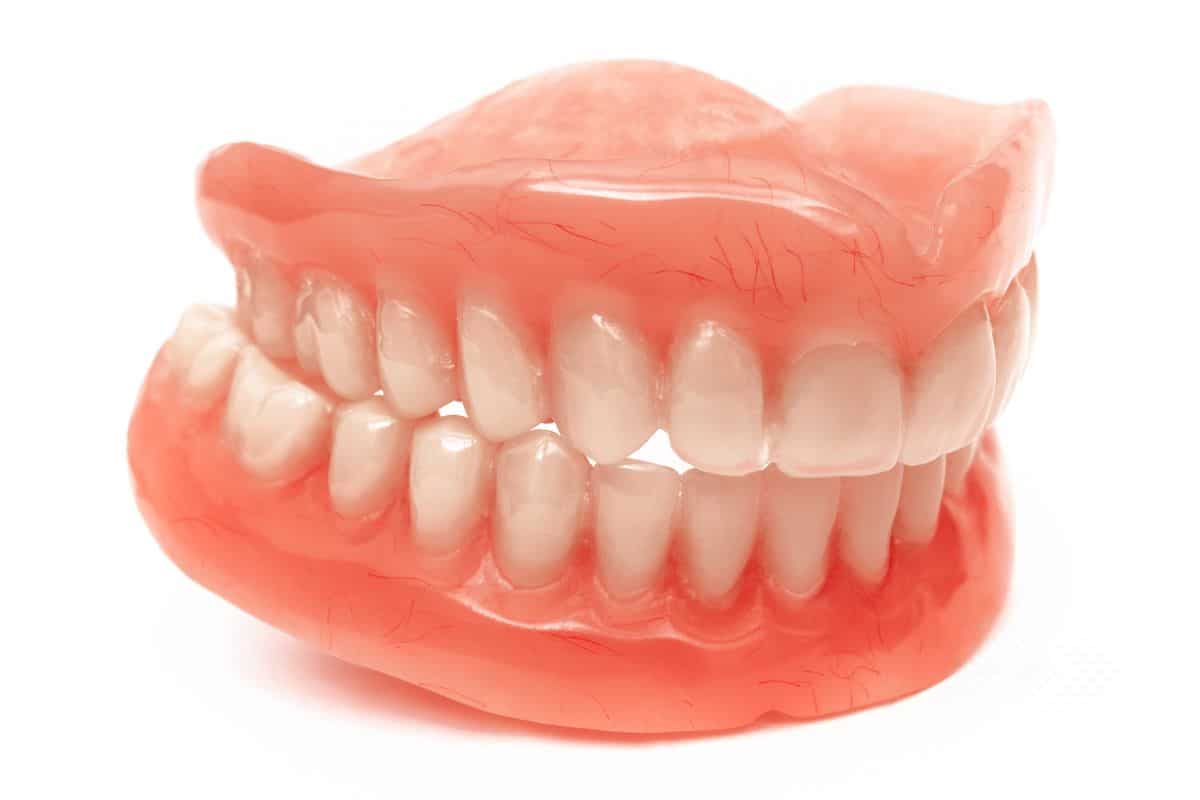
Knowing the signs that your old dentures no longer fit properly can help you protect your comfort, oral health, and confidence. At Asha Dental – Leawood, Dr. Prashant Patel helps patients in Leawood address changes in their dentures and find comfortable solutions based on their individual needs.
Dentures can make eating, speaking, and smiling easier after tooth loss. However, your mouth does not remain exactly the same over the years. Changes in your gums and jawbone can gradually alter the way your dentures sit.
At first, you may notice only a small amount of movement. Eventually, however, the movement may affect how you chew or speak. You may also develop sore spots or irritation.
Fortunately, you do not have to tolerate an uncomfortable fit. Recognizing the warning signs early can help you seek professional care before the problem interferes with your daily life.
Why Dentures Can Change Their Fit Over Time
Dentures rest on your gums and surrounding oral tissues. Unlike natural teeth, they do not have tooth roots that anchor them directly into the jawbone.
After tooth loss, the jawbone can gradually change shape and lose some of its original volume. Your gums and other tissues can also change over time.
As these changes occur, the shape of your mouth may no longer match the original shape of your denture.
For Leawood patients who need a new denture, Asha Dental – Leawood provides personalized restorative care under Dr. Prashant Patel. The practice offers dentures and other tooth replacement options designed around each patient’s needs.
9 Signs Your Dentures May Need Attention
A change in fit does not always happen suddenly. Instead, you may notice several small clues over time.
1. Your Dentures Slip While You Talk
Your dentures should remain reasonably stable when you speak.
If your denture shifts, lifts, or slides when you talk, laugh, or smile, the fit may have changed.
You may find yourself constantly adjusting it with your tongue or trying to reposition it with your fingers.
Occasional movement can happen, especially with certain foods or activities. However, frequent slipping should not become something you simply accept.
2. Chewing Has Become Difficult
One major purpose of dentures is to help you chew comfortably.
If foods that you previously ate without trouble suddenly become difficult, your denture fit may deserve attention.
You might notice:
- Food becomes harder to chew
- Your denture moves when you bite
- You avoid certain foods
- Chewing feels uneven
- You prefer one side of your mouth
- Your gums hurt after eating
A poor fit can make meals frustrating. It can also make you change the way you chew without realizing it.
If your dentures no longer feel stable during meals, talk with your dentist about your options.
3. You Develop Sore Spots
Sore areas on your gums can indicate that your denture puts too much pressure on specific spots.
You may notice tenderness after wearing your denture for several hours. The discomfort may disappear after you remove it but return when you put it back in.
Do not repeatedly ignore sore areas.
Continuing to wear an uncomfortable appliance without an evaluation may lead to ongoing irritation.
Your dentist can examine the affected tissue and determine whether the denture needs adjustment, repair, replacement, or another solution.
4. Your Gums Become Irritated
Redness, tenderness, or irritation under a denture can have several causes.
Poor fit is one possibility. However, oral hygiene, food particles, infection, and other factors can also affect the tissues underneath a removable appliance.
If your gums remain irritated, schedule an evaluation rather than assuming the problem will disappear.
5. You Notice Clicking While Speaking or Eating
A denture should feel stable during normal activities.
If you begin hearing clicking sounds when you talk or chew, the appliance may not be meeting your mouth comfortably.
You may also notice that your upper and lower teeth contact differently than before.
These changes can affect both comfort and confidence, especially when you are speaking with other people.
6. Your Dentures Feel Loose
A loose denture is one of the clearest signs that something has changed.
You may notice movement when:
- Eating
- Laughing
- Talking
- Yawning
- Sneezing
- Opening your mouth wide
Some people use adhesive products to compensate for movement. Adhesives may help in certain situations, but they do not correct every underlying fit problem.
If you need increasingly more adhesive to keep your appliance in place, ask your dentist to evaluate the fit.
7. You Develop Jaw or Facial Discomfort
A poorly fitting denture can affect the way your upper and lower teeth come together.
When the bite changes, the muscles around your jaw may work differently. Some people may develop jaw fatigue or facial discomfort.
You may also notice that your bite feels unusual compared to how it felt when your dentures were new.
Talk to your dentist about any new discomfort rather than trying to adjust to the appliance yourself.
8. Your Dentures Cause Frequent Mouth Sores
Repeated sores deserve attention.
A small irritation may develop after eating a particular food, but recurring sores in the same location may indicate that part of the denture repeatedly rubs against the tissue.
You should not try to reshape the denture at home.
A professional can inspect the appliance and determine whether an adjustment or replacement would provide a better fit.
9. You Feel Less Confident Wearing Them
Not every denture problem involves pain.
Sometimes you simply stop feeling confident.
You may worry that your appliance will move when you laugh, speak, or eat in public. You might avoid certain foods or social activities because you are concerned about your dentures shifting.
These concerns matter.
A comfortable and stable denture should support your everyday life rather than make you constantly think about your teeth.
Why Your Jawbone Can Affect Denture Fit
One major reason dentures change over time involves changes in the jawbone.
After natural teeth disappear, the bone that once supported their roots no longer receives the same stimulation. Gradually, the shape of the jaw may change.
Because your denture rests against this changing foundation, the appliance may become less stable.
Why This Can Happen Slowly
You may not notice the change at first.
The denture may still look fine from the outside. However, the tissues underneath it can change enough to affect comfort and stability.
That is why a denture can feel comfortable for years and then gradually start moving more than it once did.
Can Denture Adhesive Fix a Poor Fit?
Denture adhesive can provide additional grip for some people. However, it should not replace professional evaluation when your appliance becomes loose or uncomfortable.
If you suddenly need much more adhesive than before, consider that a warning sign.
A dentist can determine whether the appliance needs:
- An adjustment
- A repair
- A reline
- Replacement
- Another restorative solution
The right choice depends on the condition of the denture and the changes in your mouth.
What Happens During a Denture Evaluation?
When you see your dentist about a fit problem, the appointment usually starts with a conversation.
Tell your dental team what has changed.
For example, explain whether you experience movement while eating, soreness, clicking, difficulty speaking, or problems keeping the appliance in place.
Your Dentist May Examine:
- Your gums
- Oral tissues
- Jaw structure
- Denture fit
- Bite alignment
- Denture condition
- Areas of irritation
- Signs of infection
Your dentist may also inspect the appliance for cracks, worn surfaces, damaged teeth, or other problems.
After the evaluation, the team can explain whether an adjustment or replacement makes more sense.
When Can Dentures Be Adjusted?
Sometimes you do not need a completely new appliance.
If the denture remains in good condition but does not fit comfortably, your dentist may recommend an adjustment or reline.
A reline can change the tissue-facing surface so it better matches the current shape of your mouth.
However, a reline may not solve every problem.
If the appliance has significant wear, damage, poor tooth positioning, or other concerns, your dentist may recommend replacement instead.
When Might You Need Replacement Dentures?
Replacement may make sense when your existing appliance has become worn or no longer provides the function and comfort you need.
Consider an Evaluation If:
- The denture moves frequently
- You have repeated sore spots
- Your bite feels different
- The appliance has cracks
- Denture teeth look significantly worn
- You have trouble chewing
- Repairs have become frequent
- Adhesive no longer provides enough stability
- The appliance has become uncomfortable
Your dentist can determine whether replacement would provide meaningful improvement.
How to Care for Your Dentures
Good daily care can help keep your appliance in better condition.
Follow These Simple Habits
Clean your dentures daily: Remove food particles and buildup according to your dentist’s instructions.
Clean your mouth: Even if you no longer have natural teeth, gently clean your gums, tongue, and other oral tissues.
Handle them carefully: Hold your dentures over a soft towel or filled sink when removing or cleaning them. This can reduce the chance of damage if they slip.
Store them properly: Follow your dentist’s instructions for keeping them moist or storing them overnight.
Avoid very hot water: Extreme heat can affect the shape of some denture materials.
Keep regular dental visits: Your mouth can change even when your appliance still looks fine.
Why Regular Dental Visits Still Matter
Some denture wearers assume they do not need routine dental care because they no longer have natural teeth.
That is not true.
Your dentist can monitor your gums, oral tissues, jaw changes, denture fit, and overall oral health. Regular visits also provide an opportunity to identify sore areas or other changes before they become more troublesome.
Even if your dentures feel comfortable today, routine professional evaluations can help you maintain that comfort.
What You Should Not Do at Home
When your denture becomes uncomfortable, you may feel tempted to fix it yourself.
Avoid:
- Filing down the denture
- Cutting or reshaping the base
- Using household glue
- Bending denture components
- Making permanent changes without professional guidance
A small adjustment may seem harmless, but changing the shape incorrectly can create a bigger fit problem.
If the appliance feels uncomfortable, let a dental professional evaluate it.
How to Know When You Should Act
You do not have to wait until your denture completely stops working.
Early warning signs deserve attention.
Contact Your Dental Team If:
- Your denture suddenly becomes loose
- You develop repeated gum sores
- You experience persistent irritation
- You have trouble chewing
- Your bite feels different
- Your denture cracks or breaks
- You notice persistent mouth discomfort
- You develop unexplained oral sores
Prompt evaluation can help identify the problem before it affects your daily routine.
The Bottom Line
Signs that your old dentures no longer fit properly can include slipping while talking, difficulty chewing, sore gums, repeated irritation, clicking sounds, jaw discomfort, and frequent movement. These problems often develop gradually as your mouth and jaw change over time.
Don’t assume that discomfort is simply something you must live with. Depending on the condition of your appliance, your dentist may recommend an adjustment, reline, repair, replacement, or another tooth replacement option.
Good denture care also matters. Clean your appliance as directed, care for your gums and oral tissues, handle your dentures carefully, and maintain regular dental visits.
Asha Dental – Leawood provides personalized dental care for patients in Leawood, including restorative and tooth replacement services. Dr. Prashant Patel and his team can evaluate changes in denture comfort and discuss options based on your current oral health.
Schedule your appointment with Asha Dental – Leawood to discuss your denture fit and find the right solution for your smile.