 11100 Ash St Suite #204, Leawood, KS 66211
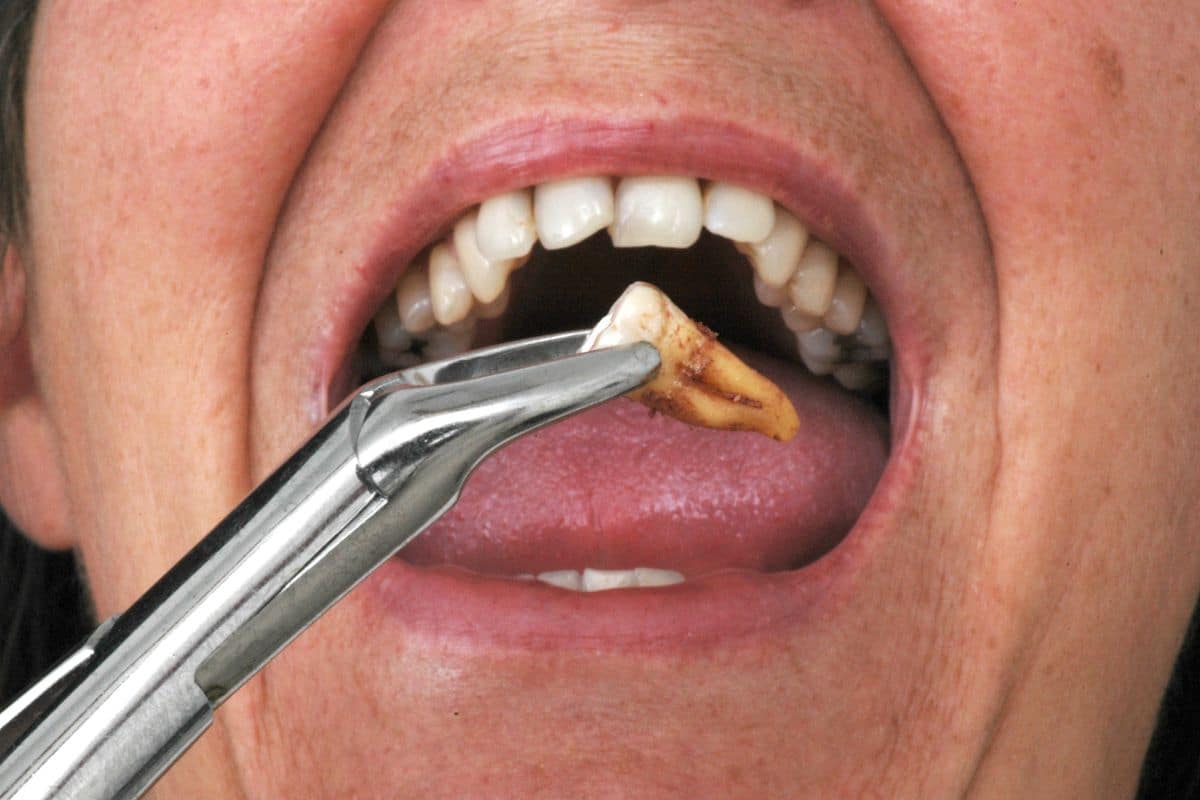
Understanding second molar extraction bite effects is important before removing a back tooth. Second molars play a role in chewing and help maintain the relationship between the upper and lower teeth. After extraction, nearby and opposing teeth may change position over time.
Asha Dental provides dental care from its Leawood office for patients in Leawood and Overland Park, Kansas. If a second molar needs removal, your dentist can explain how the extraction may affect your bite and whether additional treatment makes sense.
Second Molar Extraction Bite Effects
Removing a second molar creates space at the back of the dental arch. The effect of that space depends on the location of the tooth, the presence of wisdom teeth, the condition of nearby teeth, and your overall bite.
After an extraction, adjacent teeth may gradually tilt or move toward the empty space. The opposing tooth may also change position because it no longer contacts a tooth in the same way.
If a second molar needs removal, discussing the procedure with a trusted dentist can help you understand how the extraction may affect your bite.
Why tooth position matters
Teeth are not completely fixed in place. They respond to pressure and contact from surrounding teeth, gums, bone, and normal chewing forces.
Therefore, losing one tooth can sometimes influence nearby structures over time. The degree of change varies significantly from person to person.
Why Second Molars Matter for Chewing
Second molars sit toward the back of the mouth and contribute to grinding food. Losing one can change how chewing forces are distributed.
At first, you may naturally favor the opposite side while the extraction area heals. Later, you may adapt without noticing a major difference.
However, long-term changes depend on the rest of your dentition. If several teeth are already missing or damaged, losing another molar may have a greater functional effect.
The whole bite matters: Dentists do not evaluate a second molar in isolation. They consider how the upper and lower teeth meet and how the surrounding teeth function together.
What Can Happen to Nearby Teeth?
After a second molar extraction, the neighboring teeth may gradually shift toward the open space.
The amount of movement varies. Some people experience little noticeable change, while others may develop changes in tooth position over time.
Potential changes can include:
- Tilting toward the extraction space
- Small changes in tooth contact
- Altered food trapping
- Changes in the way the teeth meet
- Greater difficulty cleaning certain areas
These changes do not happen to everyone. Your dentist can assess your specific situation and explain what factors may influence the outcome.
What About the Opposing Molar?
The tooth directly opposite the extracted molar no longer has the same biting contact. In some cases, an opposing tooth may gradually move farther into the available space.
Dentists sometimes call this movement over-eruption. The extent depends on several factors, including the person’s age, bite, remaining teeth, and whether another tooth eventually replaces the missing molar.
As a result, monitoring can be useful when a tooth remains unreplaced.
Does Every Second Molar Need Replacement?
Not necessarily. The decision depends on the reason for extraction and the overall condition of your mouth.
For example, a dentist may consider:
- Whether the wisdom tooth is present
- The health of neighboring teeth
- Your current bite
- The opposing tooth
- Your chewing needs
- Bone and gum health
- Your overall treatment goals
In some situations, leaving the space may be reasonable. In others, replacing the tooth could help maintain function or prevent unwanted changes.
Therefore, avoid assuming that every extraction requires the same follow-up plan.
When Replacement May Be Considered
If your dentist recommends replacing the missing tooth, several options may exist. The appropriate choice depends on your oral health and treatment needs.
Possible options can include:
Dental implant: An implant replaces the tooth root and supports a dental crown.
Dental bridge: A bridge uses neighboring teeth to support a replacement tooth.
Removable partial denture: A removable appliance can replace one or more missing teeth.
Each option has different benefits, requirements, maintenance needs, and costs. Your dentist can explain which options fit your situation.
How Wisdom Teeth Can Change the Picture
Wisdom teeth sit behind the second molars. Their presence can affect the treatment plan after a second molar extraction.
In some patients, the wisdom tooth may be positioned in a way that changes how the space should be managed. In other cases, the wisdom tooth may already be absent or may not provide useful function.
Because wisdom teeth vary widely, imaging can help your dentist understand the position of the teeth and surrounding structures.
What to Expect After Extraction
The first priority after extraction is healing.
Your dentist will provide instructions for protecting the extraction site. These instructions may include guidance about food, brushing, physical activity, and follow-up care.
During healing, avoid disturbing the extraction site. Follow the specific instructions provided by your dental team.
Afterward, your dentist can determine whether additional treatment or monitoring is appropriate.
Long-Term Monitoring Matters
An extraction does not always create an immediate bite problem. Some changes, if they occur, develop gradually.
Regular dental visits allow your dentist to monitor:
- Tooth position
- Bite changes
- Gum health
- Bone levels
- The opposing tooth
- Neighboring teeth
- Areas that collect food
As a result, routine examinations can help identify changes before they become more difficult to manage.
When to Discuss the Extraction Beforehand
If your dentist recommends removing a second molar, ask questions before treatment.
Useful questions include:
- Why does this tooth need extraction?
- What happens if the space remains open?
- Is tooth replacement recommended?
- Could my wisdom tooth affect the plan?
- How might the extraction affect my bite?
- How will the area be monitored afterward?
- What replacement options are available?
Getting clear answers can help you understand the long-term plan rather than focusing only on the extraction itself.
A second molar extraction can affect chewing and tooth position, but the long-term result varies from person to person. Factors such as the opposing tooth, neighboring teeth, wisdom teeth, and your existing bite all matter.
If you are considering a second molar extraction, you can schedule an appointment with Asha Dental at the Leawood office to discuss your treatment and long-term bite considerations.