 11100 Ash St Suite #204, Leawood, KS 66211

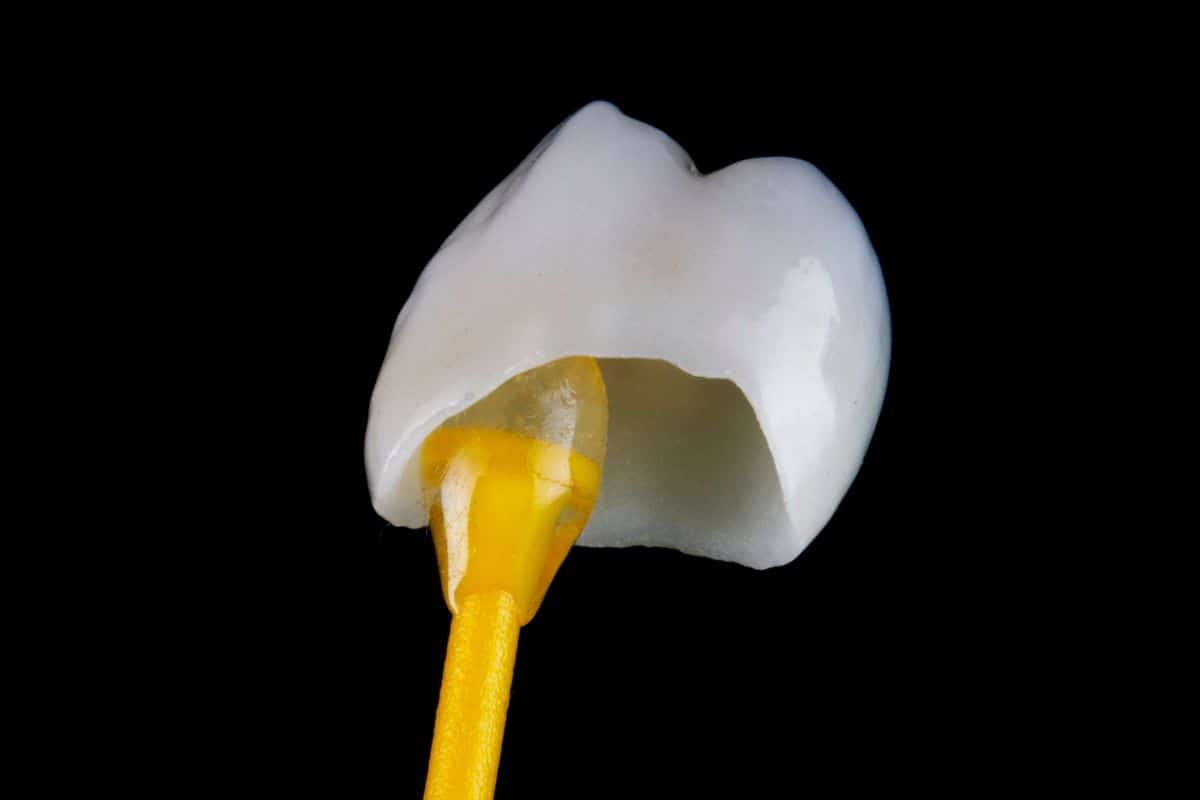
A dental crown protects a weakened tooth, restores its shape, and helps you chew more comfortably. Although crowns are designed to withstand everyday use, they can sometimes chip, crack, loosen, or wear down. If you notice damage, you may wonder whether cracked dental crown repair is possible or whether you need a completely new crown.
The answer depends on the location, size, and severity of the damage. At Asha Dental in Leawood, patients can have a damaged crown examined to determine the most appropriate treatment.
What Causes a Dental Crown to Crack?
Dental crowns are made from materials such as porcelain, ceramic, metal, or a combination of materials. Each type has different strengths, but no crown is completely resistant to damage.
Common causes of crown cracks include:
-
Biting hard foods: Ice, hard candy, and other very hard foods can place excessive pressure on a crown.
-
Teeth grinding: Repeated clenching or grinding can create stress that damages crowns over time.
-
Accidents or injuries: A fall or impact to the mouth can crack the crown or the tooth underneath it.
-
Normal wear: Crowns can gradually wear down after years of chewing.
-
Bite problems: Uneven pressure on the teeth may contribute to damage.
-
Underlying tooth problems: Decay or structural damage beneath the crown may weaken the tooth and affect the restoration.
Sometimes, a crack is visible. In other cases, you may notice discomfort when chewing or sensitivity without seeing any obvious damage.
Can a Cracked Dental Crown Be Repaired?
Yes, some minor crown chips can be repaired. However, not every cracked crown can be restored safely.
The decision depends on the type of crown, the depth of the damage, and whether the underlying tooth remains healthy.
Minor Chips
If only a small piece of the crown’s outer surface has chipped, your dentist may be able to smooth the rough area or use a suitable dental repair material.
This option may work when the damage is limited and the crown remains stable. However, a repair may not be strong enough for every location or type of crown.
Surface Damage
Small areas of surface roughness or minor imperfections may sometimes be adjusted or polished. Your dentist will determine whether this is appropriate for the crown material and the condition of the restoration.
Larger Cracks
A larger crack can weaken the crown and make it less reliable during chewing. In these cases, replacement may be the safer option.
If the crack extends through the crown or compromises its structural integrity, a simple repair may not provide enough protection for the underlying tooth.
When Does a Cracked Dental Crown Need Replacement?
Your dentist may recommend a new crown when the existing restoration cannot protect the tooth adequately.
Replacement may be necessary if:
-
The crown has a deep or extensive crack.
-
A large section of the crown has broken off.
-
The crown has become loose or no longer fits properly.
-
The underlying tooth has developed decay.
-
The crown’s structure is too weak to withstand normal chewing.
-
The damage cannot be repaired without compromising the restoration.
In some cases, the dentist may discover that the tooth underneath the crown also needs treatment. For example, decay may need to be removed before a new crown can be placed.
A dental crown covers and protects a weakened tooth, and crown treatment in Leawood may be an option when a damaged restoration needs professional assessment and replacement.
What if the Tooth Under the Crown Is Damaged?
A cracked crown does not always mean the natural tooth underneath is cracked. However, damage to the underlying tooth is possible and needs careful evaluation.
Your dentist may examine the tooth, check your bite, and take dental X-rays when needed.
Treatment depends on the findings:
-
Minor decay: The dentist may remove the decay and determine whether a new crown can restore the tooth.
-
Tooth fracture: A crack in the natural tooth may require a crown or another restorative procedure, depending on its extent.
-
Pulp damage: If the inner tissue of the tooth is affected, root canal treatment may be needed before restoring the tooth.
-
Severe damage: If the tooth cannot be restored predictably, extraction may need to be discussed.
The earlier you have a damaged crown examined, the sooner your dentist can determine whether the problem is limited to the restoration or also affects the tooth.
What Should You Do if Your Dental Crown Cracks?
If you suspect that your crown is cracked, avoid chewing hard foods on that side until you have received professional advice.
Follow these steps while arranging an examination.
1. Avoid Hard or Sticky Foods
Choose softer foods and avoid biting directly on the damaged crown. Hard or sticky foods may worsen the damage or loosen the restoration.
2. Keep the Area Clean
Brush gently around the crown and continue cleaning between your teeth. Good oral hygiene helps limit plaque buildup around the damaged area.
3. Do Not Repair It Yourself
Household adhesives are not suitable for dental restorations. Attempting to glue a crown back together can damage the restoration or expose your mouth to unsafe materials.
If the crown comes off completely, keep it in a clean container and ask your dental office how to proceed.
4. Arrange a Dental Examination
Contact your dentist for an evaluation. Seek prompt care if you experience significant pain, swelling, a sharp edge that injures your mouth, or difficulty chewing.
Facial swelling with fever or difficulty swallowing or breathing requires urgent medical attention.
How Can You Prevent Future Crown Damage?
Although crown damage cannot always be prevented, several habits may help reduce the risk.
-
Avoid chewing ice and other very hard objects.
-
Do not use your teeth to open packages.
-
Wear a dentist-recommended nightguard if you grind your teeth.
-
Maintain regular dental examinations.
-
Brush twice daily and clean between your teeth.
-
Follow your dentist’s advice for caring for crowns and other restorations.
-
Seek evaluation if your bite feels uneven or the crown becomes loose.
Regular checkups allow your dentist to assess the condition of your crown and identify potential concerns before they become more serious.
Get the Right Treatment for a Cracked Dental Crown
A cracked crown does not always require replacement. Small chips may sometimes be repaired, while larger cracks, loose crowns, or damage affecting the underlying tooth may require a new restoration or additional treatment.
The safest approach is to have the crown examined rather than waiting for the damage to worsen.
If you are concerned about cracked dental crown repair, Asha Dental in Leawood can evaluate your crown, explain the available treatment options, and help you understand the next steps.
Schedule your appointment to have your damaged crown assessed and discuss the best way to protect your tooth.