 11100 Ash St Suite #204, Leawood, KS 66211

Choosing between implant-supported dentures vs. bridges is a big decision. For patients near Overland Park, understanding which option fits your life best can feel overwhelming. Dr. Prashant Patel at Asha Dental – Leawood is here to simplify that choice. This guide breaks down both options so you can feel confident about your next step.
Understanding Your Tooth Replacement Options in Overland Park
When you lose one or more teeth, you have several paths forward. The most common solutions are dental bridges, traditional dentures, and implant-supported dentures. Each option works differently and suits different lifestyles. Knowing how they compare helps you make the right call for your health and comfort.
A dental bridge fills a gap by anchoring a false tooth to the natural teeth on either side. It is fixed, meaning you cannot remove it. Bridges work well when surrounding teeth are healthy and strong. However, they do require reshaping those adjacent teeth.
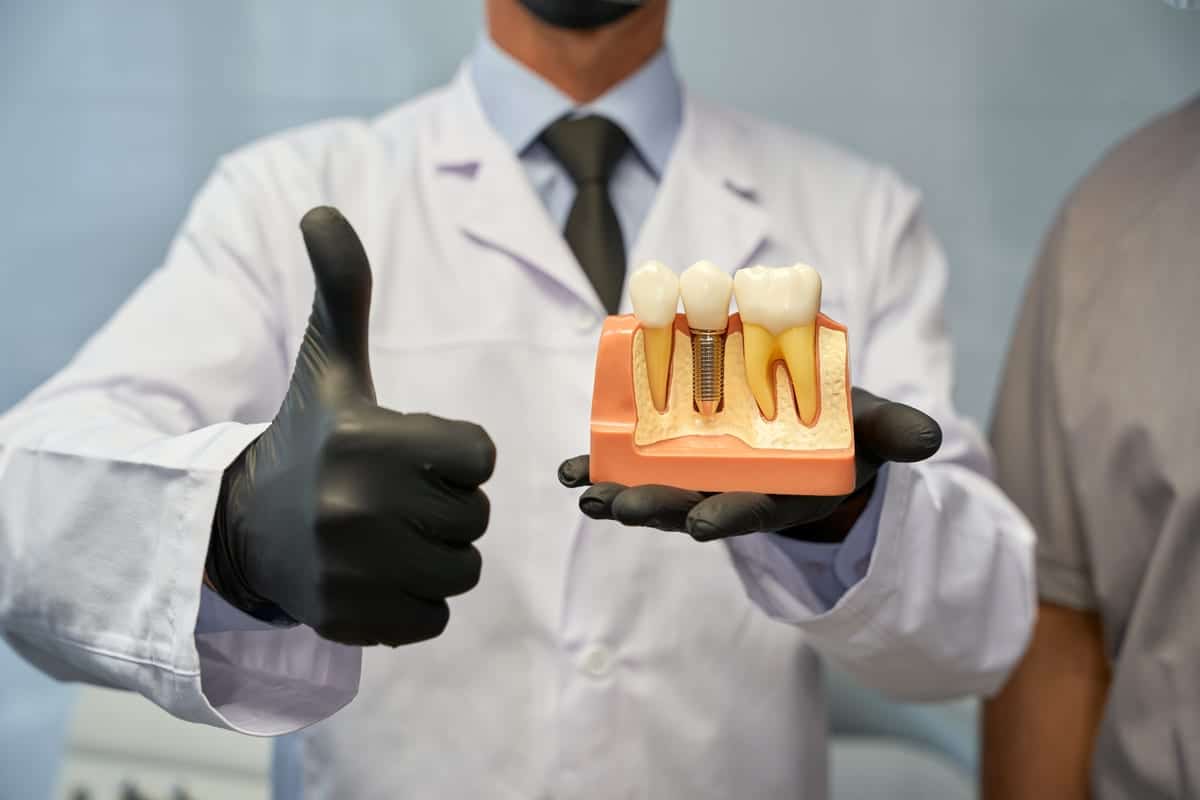
An implant-supported denture uses titanium implant posts placed in the jawbone. The denture snaps onto these posts for a secure, stable fit. This approach does not rely on neighboring teeth at all. It also stimulates the jawbone, which helps prevent bone loss over time.
For patients exploring Dental Implants Overland Park Overland Park, understanding how implants anchor dentures is a great starting point. This foundation matters for long-term oral health outcomes.
Implant-Supported Dentures vs. Bridges: Key Differences That Matter
Comparing these two options side by side makes the decision clearer. Here are the most important factors to weigh:
- Stability: Implant-supported dentures lock firmly in place. Bridges are also fixed but depend on neighboring teeth for support.
- Jawbone health: Implants stimulate bone and prevent deterioration. Bridges do not offer this benefit.
- Impact on adjacent teeth: Bridges require filing down healthy teeth. Implants leave surrounding teeth untouched.
- Longevity: Implants can last decades with good care. Bridges typically last 10 to 15 years before needing replacement.
- Candidacy: Bridges suit patients with strong adjacent teeth. Implants require adequate jawbone density.
- Removability: Some implant dentures can be removed for cleaning. Traditional bridges are permanently fixed.
Neither option is universally better. The right choice depends on your specific dental situation, lifestyle, and long-term goals. A thorough exam with Dr. Patel will clarify which fits you best.
Who Is a Good Candidate for Each Option?
Not every patient qualifies for every treatment. Your oral health history, bone density, and overall health all play a role. Here is a simple breakdown to guide your thinking.
Dental bridges may suit you if:
- You are missing one or two teeth in a row
- Your neighboring teeth are strong and healthy
- You want a fixed, non-removable solution
- You prefer a faster treatment timeline
Implant-supported dentures may suit you if:
- You are missing multiple teeth or need a full arch replaced
- You want to preserve your jawbone long-term
- You prefer not to alter adjacent healthy teeth
- You want a solution that feels and functions like natural teeth
Patients who have worn traditional dentures and experienced slipping or discomfort often find implant-supported options life-changing. The added stability makes eating and speaking far more natural. Dr. Patel evaluates each patient individually to recommend the most appropriate solution.
If you are researching Dental Implants Overland Park as a foundation for dentures, you are already thinking in the right direction. Implants provide the structural base that makes everything else possible.
The Treatment Process: What to Expect Step by Step
Understanding what each treatment involves helps reduce anxiety. Here is a general overview of both processes.
For a dental bridge: Your dentist prepares the adjacent teeth by removing enamel. Impressions are taken and sent to a lab. A temporary bridge protects the area while your permanent one is made. Once ready, the permanent bridge is cemented into place. The whole process typically takes two to three visits.
For implant-supported dentures:
- A comprehensive exam and imaging session to assess bone density
- Implant post placement into the jawbone under local anesthesia
- A healing period of several months for osseointegration
- Placement of abutments that connect to the denture
- Fitting and attachment of your custom-made denture
The implant process takes longer overall. However, the results tend to last significantly longer and feel more natural. Many patients say the investment in time is absolutely worth it.
Caring for Your Restoration Long-Term
Both bridges and implant-supported dentures require consistent care. Good maintenance protects your investment and keeps your smile healthy for years. Here is what daily care looks like for each option.
Bridges need careful flossing underneath the artificial tooth. Special floss threaders or water flossers work well for this. Brushing twice daily and scheduling regular cleanings at Asha Dental – Leawood keeps the area healthy. Without proper care, decay can develop at the bridge margins.
Implant-supported dentures that are removable should be cleaned each night. Fixed implant dentures require brushing and flossing around the implant posts. Your gum tissue around the implants also needs regular monitoring. Annual checkups help catch any issues before they become larger problems.
Dr. Patel and the team at Asha Dental – Leawood provide personalized care instructions after every procedure. You will never leave the office confused about how to maintain your new smile. Patient education is a core part of the care experience here.
Making the Decision That Fits Your Life in Overland Park
Ultimately, the best choice is the one that aligns with your health goals, daily lifestyle, and comfort level. There is no single right answer for everyone. What works beautifully for one patient may not be the ideal fit for another. That is why personalized consultations matter so much.
Residents throughout the Overland Park area trust Dr. Prashant Patel for honest, patient-centered guidance. He takes time to explain every option clearly and answer all your questions. You deserve a solution that improves your quality of life, not just your smile. A consultation at Asha Dental – Leawood is the best place to start that conversation.
Take the first step toward a smile that works for your life. Book Now to schedule your appointment with our team.
Frequently Asked Questions
How long do implant-supported dentures last compared to bridges?
Implant-supported dentures can last 20 years or more with proper care and maintenance. Dental bridges typically last between 10 and 15 years before needing replacement. The implant posts themselves often last a lifetime. Regular checkups help extend the life of either restoration.
Is the implant procedure painful?
Most patients report less discomfort than they expected during implant placement. Local anesthesia is used throughout the procedure to keep you comfortable. Mild soreness in the days following surgery is normal and manageable. Dr. Patel provides clear aftercare instructions to support a smooth recovery.
Can I get implant-supported dentures if I have bone loss?
Bone loss does not always disqualify you from implants. In some cases, a bone grafting procedure can rebuild enough density to support implants. Dr. Patel evaluates bone levels during your initial consultation using digital imaging. He will let you know if grafting is needed before moving forward.
Do implant-supported dentures look natural?
Yes, implant-supported dentures are custom-crafted to match your natural tooth color and shape. They sit at the correct gumline height, which creates a very realistic appearance. Most people cannot tell the difference between implant-supported dentures and natural teeth. Your smile will look and feel completely your own.
How do I know which option is right for me?
The best way to find out is through a personalized consultation with Dr. Prashant Patel. He will review your dental history, take diagnostic images, and discuss your lifestyle goals. From there, he will recommend the option that makes the most sense for your situation. Every patient receives a customized treatment recommendation, not a one-size-fits-all plan.